The relationship between diet and blood sugar management is a cornerstone of modern healthcare, especially for the millions of individuals living with type 2 diabetes. Finding foods that are both satisfying and metabolically beneficial can be a challenge, leading many to wonder about the role of popular pantry staples like peanut butter in a diabetic meal plan.
Peanut butter is an excellent addition to a diabetes friendly diet because it possesses a low glycemic index, high protein content, and healthy monounsaturated fats that help stabilize blood glucose levels and improve satiety. When consumed in moderation and in its natural form, peanut butter serves as a powerful tool for managing insulin sensitivity and preventing postprandial glucose spikes.
As research continues to highlight the importance of high quality fats and plant based proteins, peanut butter has emerged as more than just a snack. This article will explore the nutritional profile of this legume spread, how it interacts with metabolic processes, and the most effective strategies for incorporating it into your daily routine without compromising your health goals.
Table of Contents
Understanding Diabetes and its Management
The Benefits of Peanut Butter for Diabetics
Competitive Insights on Peanut Butter and Diabetes
Choosing the Right Peanut Butter
Incorporating Peanut Butter into Your Diabetes Diet
Conclusion
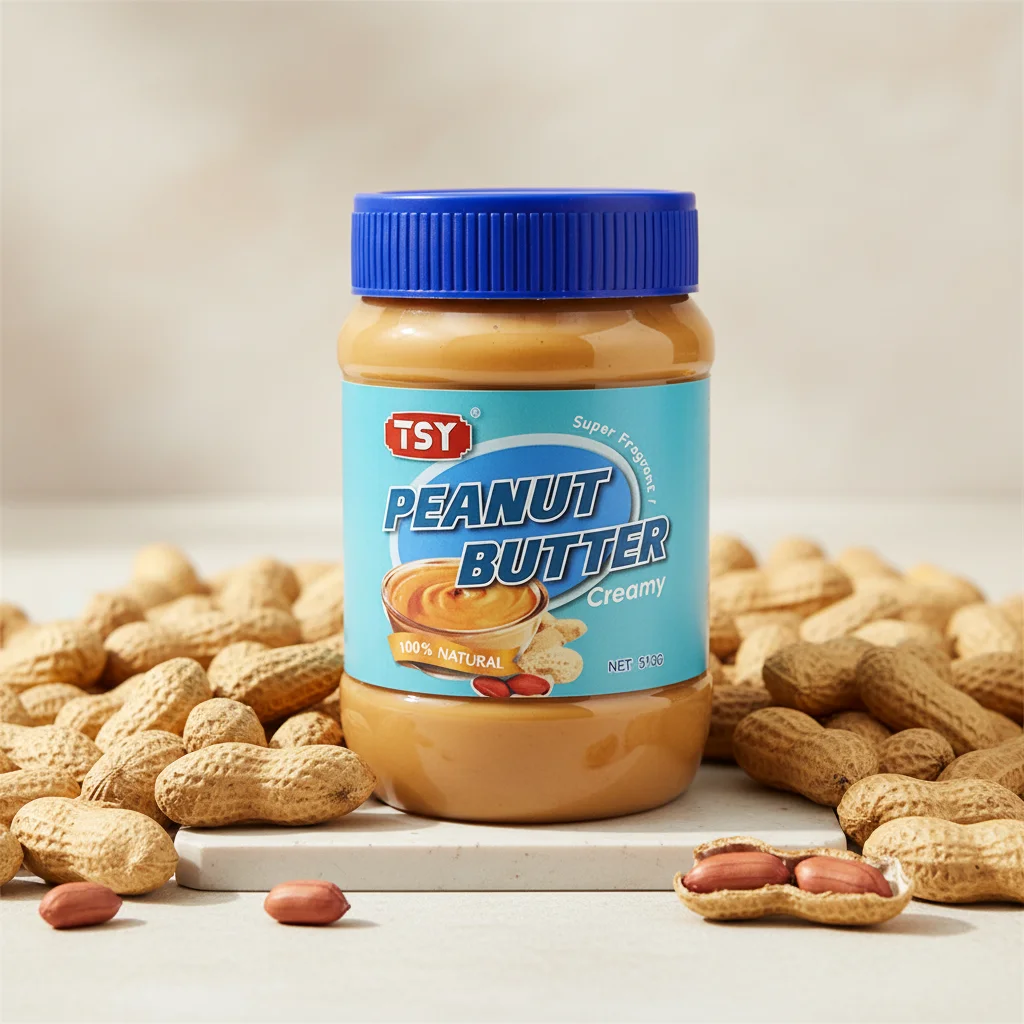
Understanding Diabetes and its Management
Diabetes management revolves around the regulation of blood glucose through a combination of physical activity, medication, and, most importantly, strategic nutritional choices that prioritize fiber and healthy fats.
Managing diabetes is fundamentally an exercise in balancing energy intake with the body's ability to process glucose. In type 2 diabetes, the body either resists the effects of insulin or does not produce enough of it to maintain normal glucose levels. This results in hyperglycemia, which, if left unmanaged, can lead to long term complications affecting the cardiovascular system, kidneys, and nerves. Therefore, the primary goal of any diabetic diet is to minimize dramatic fluctuations in blood sugar.
One of the most effective ways to achieve this stability is by understanding the Glycemic Index (GI). The GI ranks carbohydrates based on how quickly they raise blood glucose levels. Foods with a high GI cause rapid spikes, whereas low GI foods are digested and absorbed more slowly. Peanut butter naturally falls into the low GI category, making it a preferred choice for those seeking sustained energy without the subsequent "sugar crash" that follows high carbohydrate meals.
Furthermore, modern management focuses on the quality of macronutrients rather than just the quantity. Incorporating monounsaturated and polyunsaturated fats—the kinds found abundantly in peanut butter—has been shown to improve insulin sensitivity. By replacing refined carbohydrates and saturated fats with these healthier options, individuals can better manage their HbA1c levels and reduce systemic inflammation, which is often elevated in diabetic patients.
The Benefits of Peanut Butter for Diabetics
Peanut butter offers significant health advantages for diabetics, including a low glycemic load, high fiber content for digestive health, and magnesium, which plays a critical role in glucose metabolism.
The nutritional density of peanut butter makes it a "superfood" in the context of metabolic health. A standard serving provides a substantial amount of protein, which is essential for muscle repair and satiety. For a diabetic, protein acts as a buffer; when eaten alongside carbohydrates, it slows down the absorption of sugar into the bloodstream. This synergistic effect ensures that the glucose from a piece of fruit or whole grain toast is released gradually rather than all at once.
Beyond protein, peanut butter is a rich source of magnesium. Research suggests that many individuals with type 2 diabetes have low magnesium levels, and increasing intake of this mineral can improve the body's insulin response. Additionally, the high concentration of oleic acid—a heart healthy fat also found in olive oil—helps protect the cardiovascular system. Since people with diabetes are at a higher risk for heart disease, the cardioprotective properties of peanut butter are particularly valuable.
Weight management is another critical component of diabetes care. Peanut butter is highly satiating due to its combination of fiber and fat. Including a serving of natural peanut butter in a morning meal can reduce the desire to snack on high calorie, sugary foods later in the day. This "second meal effect" means that the benefits of consuming peanuts can extend for several hours, helping to maintain a flat glucose curve throughout the afternoon.
Competitive Insights on Peanut Butter and Diabetes
To provide a comprehensive view, we have examined the perspectives of leading health and wellness platforms regarding the use of peanut butter in diabetic diets.
Alpino Health
The Alpino platform emphasizes that peanut butter is a nutritional powerhouse for diabetics due to its high protein and low carbohydrate ratio. They highlight that the presence of healthy fats helps in weight management by keeping the consumer full for longer periods. They specifically recommend using peanut butter as a replacement for high sugar spreads to prevent insulin spikes.
Medical New Today
Medical News Today focuses on the scientific evidence supporting the use of peanuts for blood sugar control. They note that peanut butter has a low Glycemic Index (GI) of approximately 14, making it one of the safest snack options for blood sugar management. Their insights also point toward the high magnesium content in peanut butter as a key factor in improving long term glucose regulation.
Healthline
The Healthline platform suggests that while peanut butter is beneficial, portion control is vital due to its high calorie density. They advocate for the use of natural peanut butter that contains no added oils or sugars. They also mention that the antioxidants in peanuts, such as resveratrol, provide additional anti inflammatory benefits that are crucial for individuals managing chronic metabolic conditions.
Choosing the Right Peanut Butter
The healthiest peanut butter for diabetics is a natural peanut butter that contains only two ingredients—peanuts and a pinch of salt—avoiding added sugars, hydrogenated oils, and high fructose corn syrup.
When navigating the grocery store aisles, the variety of peanut butter options can be overwhelming. For a diabetic, the label is the most important tool. Many commercial brands add sugar or molasses to enhance flavor and hydrogenated vegetable oils to prevent separation. These additives can turn a healthy food into a metabolic trigger. Therefore, seeking out natural peanut butter is the gold standard. Natural varieties require stirring because the oil separates, but this is a hallmark of a product free from stabilizers and trans fats.
For those with specific dietary needs, there are several variations to consider. Gluten free peanut butter is standard since peanuts are naturally gluten free, but cross contamination can occur in processing facilities, so certification is important for those with celiac disease. Additionally, while chocolate peanut butter may be tempting, it often contains high amounts of added sugar. Diabetics should look for dark chocolate versions with stevia or high cocoa content, or better yet, mix pure cocoa powder into natural peanut butter at home.
The comparison below highlights the differences between standard processed versions and the healthiest peanut butter options:
| Feature | Processed Peanut Butter | Natural Peanut Butter |
| Added Sugar | Often high (3g to 5g per serving) | Zero to negligible |
| Oils | Hydrogenated or Palm Oil | Natural Peanut Oil only |
| Glycemic Index | Moderate | Very Low |
| Protein Content | 7g per serving | 8g per serving |
| Fiber Content | Lower due to fillers | Higher (approx. 2g) |
Incorporating Peanut Butter into Your Diabetes Diet
You can safely incorporate peanut butter into a diabetes diet by using it as a dip for fibrous vegetables, a thickener for low carb smoothies, or a topping for sprouted grain breads, ensuring you stick to a serving size of two tablespoons.
Integration is all about balance and pairing. To maximize the benefits of peanut butter, it should be paired with high fiber foods. For instance, spreading a tablespoon of natural peanut butter on celery sticks or apple slices creates a snack that provides fiber, healthy fats, and protein. This combination is far superior to eating the fruit alone, as the fat in the peanut butter slows the digestion of the fruit's natural sugars.
Breakfast is an ideal time to utilize this legume spread. Adding a dollop to steel cut oats or a bowl of Greek yogurt can lower the overall glycemic load of the meal. For those who enjoy baking, peanut butter can often replace butter or lard in recipes, providing a better fat profile. Even in savory dishes, such as a Thai inspired satay sauce, peanut butter adds depth and nutrition, provided the sauce is made without excessive honey or sugar.
Portion control remains the most critical factor. While peanut butter is nutrient dense, it is also calorie dense. A standard serving is two tablespoons, which contains roughly 188 to 190 calories. Using a measuring spoon instead of "eyeballing" the amount can prevent accidental overconsumption. By sticking to these portions, you can enjoy the rich flavor and health benefits of peanut butter without exceeding your daily caloric or carbohydrate limits.
Creative Ways to Use Peanut Butter
Savory Sauces: Whisk together natural peanut butter, soy sauce, ginger, and lime for a low carb salad dressing.
Smoothie Booster: Add one tablespoon to a green smoothie to increase satiety and creaminess.
Energy Bites: Mix with flax seeds, chia seeds, and a sugar substitute for a quick, portable snack.
Breakfast Toast: Use a thin layer on sprouted grain or almond flour bread for a high protein start to the day.
Conclusion
In summary, peanut butter is a highly versatile and nutritionally dense food that, when chosen carefully and eaten in moderation, offers profound benefits for blood sugar regulation and heart health in diabetics.
The journey of managing diabetes does not require the elimination of flavor or satisfaction. As we have explored, the inclusion of natural peanut butter provides essential healthy fats, plant based protein, and vital minerals like magnesium. By opting for the healthiest peanut butter variants—specifically those labeled as natural peanut butter or gluten free peanut butter—individuals can avoid the hidden sugars and trans fats that often plague processed snack foods.
Whether you prefer it crunchy or smooth, the key lies in reading labels and practicing portion control. Peanut butter is not just a childhood favorite; it is a sophisticated tool for metabolic health. By pairing it with high fiber vegetables and whole grains, you can create a diet that is both enjoyable and medically sound. As with any dietary change, it is always wise to monitor your individual blood glucose response to ensure that peanut butter fits perfectly into your unique management plan.