The global culinary landscape has been significantly shaped by the vibrant and bold flavors of Southeast Asian condiments. Among these, few have achieved the ubiquitous status of thai chilli sauce. From high-end restaurant kitchens to casual home pantries, this versatile sauce has become a staple for those seeking a perfect balance of heat and sweetness. However, as its popularity has grown, so has the confusion regarding its nomenclature and specific varieties available in the B2B food supply market.
Sweet chili sauce and sweet Thai chili sauce are essentially the same product, referring to a condiment made from chili peppers, sugar, vinegar, and garlic, though the term sweet Thai chili sauce specifically highlights its Southeast Asian culinary origins. While the labels may vary between manufacturers, they serve the same functional purpose as a dipping sauce or glaze characterized by a mild spice level and a thick, syrupy consistency.
Understanding the nuances of these condiments is crucial for food importers, distributors, and restaurant chains looking to source authentic flavors. This article will explore the intricate details of thai chilli sauce, comparing regional variations, ingredient profiles, and industrial applications. We will dive deep into the production standards that define high-quality sweet chilli sauce and how businesses can differentiate between various market offerings to satisfy the growing consumer demand for authentic Thai flavors.
Table of Contents
Defining Thai Chilli Sauce and Its Global Variations
The Key Ingredients in Authentic Thai Sweet Chilli Sauce
Technical Differences Between Sweet Chili Sauce and Traditional Hot Sauces
Culinary Applications of Thai Chilli Sauce in the Food Industry
Quality Standards and Sourcing for B2B Food Distributors
Market Trends and Consumer Demand for Sweet Chilli Sauce
Conclusion: Choosing the Right Thai Chilli Sauce for Your Business
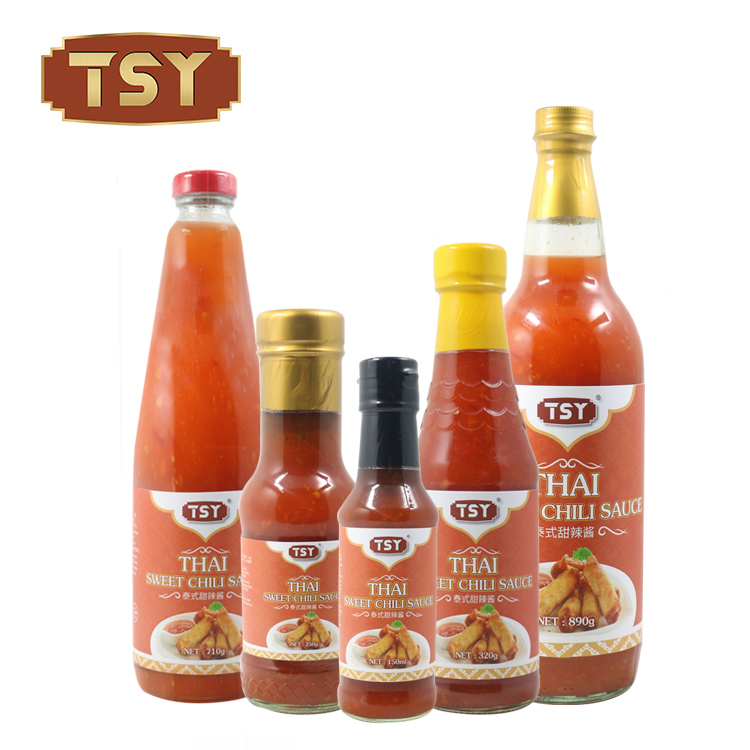
Defining Thai Chilli Sauce and Its Global Variations
Thai chilli sauce is a broad category of condiments originating from Thailand, encompassing a variety of textures and heat levels, with the sweet version being the most internationally recognized.
When discussing thai chilli sauce in a professional capacity, it is important to recognize that the term acts as an umbrella. In Thailand, this category includes everything from Nam Prik Pao (chili jam) to Sriracha (a spicy, tangy sauce). However, in the international export market, thai chilli sauce almost always refers to Nam Chim Kai, the classic sweet and spicy dipping sauce. This specific variant has become the gold standard for what Western consumers expect when they see the label sweet chilli sauce on a supermarket shelf or a restaurant menu.
The confusion between "sweet chili" and "sweet Thai chili" usually stems from branding rather than recipe. Western-produced versions often drop the "Thai" descriptor to appeal to a broader audience, focusing on the "sweet" aspect which appeals to palates that may be intimidated by high heat levels. Nevertheless, the soul of the sauce remains rooted in Thai tradition. For B2B buyers, recognizing that these terms are interchangeable allows for a broader search for suppliers without sacrificing the authentic flavor profile required for Southeast Asian cuisine.
From a manufacturing perspective, the consistency of thai sweet chilli sauce is what sets it apart from other chili-based condiments. It is typically translucent with visible flecks of red chili flakes and minced garlic suspended in a thickened syrup. This visual appeal is a key selling point in retail packaging. Whether labeled as sweet chilli sauce or thai chilli sauce, the product must maintain a specific viscosity to ensure it clings well to fried foods, which is its primary application in the global food service industry.
The Key Ingredients in Authentic Thai Sweet Chilli Sauce
The authentic flavor profile of thai sweet chilli sauce is achieved through a precise balance of four primary components: red chili peppers, sugar, vinegar, and garlic, often stabilized with a natural starch.
The foundation of any high-quality thai chilli sauce is the type of chili used. Authentic producers typically utilize Bird's Eye chilies or red Jalapeños to provide a bright red color and a manageable heat level. The sugar content in sweet chilli sauce is significantly higher than in hot sauces like Tabasco or Sriracha, which gives it its signature jam-like consistency. This sweetness is not just for flavor; it acts as a preservative and provides the base for the sauce's glossy finish.
Acetic acid or distilled vinegar provides the necessary tang to cut through the sugar, creating the "sweet and sour" effect that makes thai sweet chilli sauce so addictive. Garlic is the unsung hero of the recipe, adding an earthy, savory depth that prevents the sauce from being one-dimensionally sweet. In industrial production, a thickening agent—usually corn starch or modified tapioca starch—is added to ensure the chili flakes remain evenly distributed throughout the bottle rather than settling at the bottom.
For B2B procurement, analyzing the ingredient list is vital for quality control. High-quality thai chilli sauce should not rely heavily on artificial colors or excessive thickeners. The best products let the natural vibrant red of the chilies shine through. Below is a comparison of typical ingredient ratios found in commercial grade vs. premium grade sauces:
| Ingredient | Commercial Grade Sauce | Premium Thai Sweet Chilli Sauce |
| Sugar Content | 45% - 55% | 40% - 50% |
| Chili Content | 10% - 15% | 18% - 25% |
| Garlic | Powder/Extract | Fresh Minced Garlic |
| Colorants | Red 40 / Artificial | Natural Chili Pigment |
| Viscosity | High (Heavy Starch) | Medium (Natural Reduction) |
Technical Differences Between Sweet Chili Sauce and Traditional Hot Sauces
Unlike traditional hot sauces that focus on high Scoville heat units and thin consistency, sweet chilli sauce is characterized by a low heat-to-sugar ratio and a high viscosity suitable for dipping.
The technical specifications of thai chilli sauce differ greatly from hot sauces like Buffalo sauce or Habanero-based products. Traditional hot sauces are often fermented and have a very high vinegar content, resulting in a thin, watery liquid meant to be used in drops. In contrast, sweet chilli sauce is a cooked sauce. The cooking process allows the sugars to caramelize slightly and the starches to hydrate, creating a "glaze" effect. This makes thai sweet chilli sauce more of a companion to food rather than just a seasoning.
From a chemical standpoint, the pH level of thai chilli sauce is carefully managed to ensure shelf stability while maintaining the brightness of the chili flavor. While a standard hot sauce might have a pH below 3.5, sweet chilli sauce often sits slightly higher, balanced by the high osmotic pressure of the sugar which inhibits microbial growth. This balance is what gives sweet chilli sauce its long shelf life, a critical factor for B2B distributors managing long supply chains.
Furthermore, the "heat" in thai sweet chilli sauce is intentionally kept mild. On the Scoville scale, while a pure Thai Bird's Eye chili can reach 100,000 units, the finished thai chilli sauce usually registers between 1,000 and 2,500 units. This mildness is intentional, allowing the thai sweet chilli sauce to be used in large quantities as a dip for spring rolls, chicken wings, or shrimp without overwhelming the palate of the average consumer.
Culinary Applications of Thai Chilli Sauce in the Food Industry
In the professional food service sector, thai chilli sauce serves as a multi-functional ingredient used as a dipping condiment, a marinade for proteins, and a base for fusion dressings.
The versatility of thai chilli sauce is the primary driver of its high sales volume in the B2B sector. Its most common use is as a standalone dipping sauce for appetizers. In Asian-fusion and Western casual dining, sweet chilli sauce is the standard accompaniment for calamari, coconut shrimp, and vegetable tempura. The sauce's ability to provide an instant "exotic" flair to simple fried foods makes it an essential inventory item for restaurant groups.
Beyond dipping, chefs utilize thai sweet chilli sauce as a powerful glaze. When applied to grilled salmon or roasted chicken, the high sugar content creates a beautiful lacquer that caramelizes under heat. In high-volume food manufacturing, thai chilli sauce is often used as a base for bottled salad dressings or as a component in "Bang Bang" style shrimp sauces, where it is mixed with mayonnaise to create a creamy, spicy topping.
The industrial application of thai chilli sauce also extends to the ready-to-eat (RTE) meal market. Because the sauce is stable under various temperatures, it is ideal for inclusion in frozen meal kits. Whether it is a stir-fry kit or a glazed meatball appetizer, the robust flavor of thai sweet chilli sauce survives the freezing and reheating process better than more delicate, herb-based sauces. This resilience makes thai chilli sauce a favorite for food technologists designing new product lines.
Quality Standards and Sourcing for B2B Food Distributors
Sourcing high-quality thai chilli sauce requires attention to certifications such as HACCP, ISO, and Halal, as well as evaluating the physical properties like brix level and chili distribution.
For B2B importers, the origin of the thai chilli sauce is a major factor in perceived value. Authentic Thai-made products are often preferred for their traditional recipes and access to fresh local ingredients. When evaluating a supplier, it is essential to check for international food safety standards. A reputable manufacturer of thai sweet chilli sauce will provide comprehensive lab reports detailing the brix level (sugar content), pH, and viscosity measurements to ensure consistency across batches.
The physical appearance of the sweet chilli sauce in bulk packaging (such as 5kg pails or 20kg drums) should be inspected for "bleeding" or separation. In lower-quality sauces, the water may separate from the starch base over time. A premium thai chilli sauce maintains a homogenous suspension of chili seeds and pulp. For the private label market, distributors should also look for suppliers who offer customizable heat levels, allowing them to tailor the thai sweet chilli sauce to specific regional preferences, such as a "hot" version for the Middle Eastern market or a "mild" version for Northern Europe.
Sustainability and traceability are becoming increasingly important in the B2B space. Modern buyers want to know that the chilies used in their thai sweet chilli sauce are sourced responsibly. Inquiring about the supplier’s relationship with local farmers and their pesticide management protocols can provide a competitive edge in the market. As the demand for "clean label" products grows, sourcing thai chilli sauce that is free from MSG and artificial preservatives is a strategic move for long-term growth.
Market Trends and Consumer Demand for Sweet Chilli Sauce
The global market for thai chilli sauce is experiencing a steady growth rate of approximately 5-7% annually, driven by the rise of "sweet-heat" flavor profiles and the expansion of Asian fast-casual dining.
Consumer palates are evolving, moving away from simple sweetness toward more complex "swicy" (sweet and spicy) combinations. This trend has placed sweet chilli sauce at the forefront of the condiment aisle. In North America and Europe, the sauce is no longer confined to the "International" section; it is now viewed as a mainstream alternative to ketchup or BBQ sauce. This shift represents a massive opportunity for B2B suppliers to provide thai chilli sauce to retailers looking to expand their house-brand offerings.
Another significant trend is the demand for healthier alternatives. This has led to the development of low-sugar or keto-friendly thai sweet chilli sauce variants using natural sweeteners like stevia or monk fruit. While the traditional recipe remains the bestseller, offering these specialized versions allows distributors to capture a niche but rapidly growing segment of health-conscious consumers. The versatility of thai chilli sauce also makes it a favorite in the vegan community, as it provides intense flavor without the use of animal products.
Finally, the "snackification" of global food habits has boosted the use of thai chilli sauce as a flavoring agent for processed snacks. We are seeing an increase in sweet chilli sauce flavored potato chips, nuts, and crackers. For B2B ingredient suppliers, providing a concentrated or powdered version of thai chilli sauce for use in the snack industry is a burgeoning market. As long as the global appetite for bold, Southeast Asian flavors continues to grow, thai chilli sauce will remain a cornerstone of the condiment industry.
Conclusion
In conclusion, while the names may vary slightly, thai chilli sauce and sweet chilli sauce represent the same essential flavor profile that has captured the hearts of consumers worldwide. For businesses in the food industry, the key to success lies in understanding the technical aspects of the sauce—from its ingredient balance to its industrial stability. By sourcing an authentic thai sweet chilli sauce that meets high quality and safety standards, distributors and restaurant operators can ensure they are providing a product that delivers on both taste and performance.
As the "swicy" trend continues to dominate the culinary world, the importance of a reliable thai chilli sauce supply cannot be overstated. Whether you are looking to bottle your own brand or stock a professional kitchen, focusing on the clarity, viscosity, and authentic heat of the sauce will set your offerings apart. The journey of the chili from a Thai farm to a global dinner table is a testament to the universal appeal of this iconic condiment.