Peanut butter has long been the gold-standard treat for canine companions, used for everything from hiding unpleasant medication to filling interactive chew toys. For most dog owners, the sight of their pet enthusiastically licking a spoonful of creamy nut butter is a source of joy; however, as pet nutrition science evolves, many owners are asking whether this pantry staple is truly safe and beneficial for their furry friends.
Yes, most dogs can safely eat peanut butter in moderation, provided it does not contain xylitol or excessive amounts of added sugar and salt. Peanut butter is a dense source of protein, healthy fats, and essential vitamins that can supplement a canine diet when offered as an occasional treat rather than a primary meal replacement.
Understanding the nuances of canine nutrition is essential for any responsible pet owner. While peanut butter offers several health benefits, the modern manufacturing process has introduced ingredients that can be hazardous to dogs. This comprehensive guide will explore the nutritional profile of peanut butter, the critical risks to watch out for, and how to select the healthiest options to ensure your dog stays happy and healthy.
Is Peanut Butter Good for Dogs?
Smart Ways to Use Peanut Butter for Dogs
Risks of Giving Peanut Butter to Dogs
How Much Peanut Butter Can Dogs Eat?
Best Peanut Butter for Dogs: What to Look For
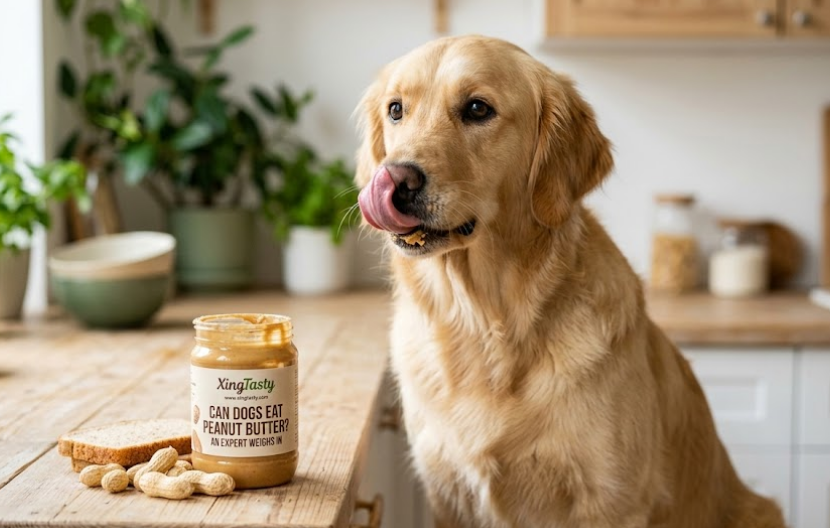
Is Peanut Butter Good for Dogs?
Peanut butter is generally considered a healthy treat for dogs because it is packed with protein, heart-healthy fats, vitamin B, niacin, and vitamin E.
When integrated correctly into a balanced diet, peanut butter serves as a high-value reward that supports muscle maintenance and skin health. The protein content helps in tissue repair, while the healthy monounsaturated fats contribute to a shiny, lustrous coat. Many veterinarians recommend it as a supplemental energy source for active dogs who require a bit more caloric density in their snacks.
The nutritional complexity of natural peanut butter goes beyond just macronutrients. It contains niacin (Vitamin B3), which is crucial for brain function and the breakdown of sugars and fatty acids. Furthermore, Vitamin E acts as a powerful antioxidant, protecting canine cells from oxidative damage. For dogs with specific dietary needs, gluten free peanut butter offers a safe alternative that avoids common allergens found in grain-based treats.
However, it is important to remember that not all products are created equal. The healthiest peanut butter for a dog is one that mirrors a whole-food profile. While humans might enjoy complex flavors, dogs benefit most from a simple, processed-oil-free formula. By choosing a high-quality peanut butter, you are providing more than just a tasty snack; you are providing functional nutrients that support long-term vitality.
Smart Ways to Use Peanut Butter for Dogs
The most effective ways to use peanut butter for dogs include using it as a high-value training reward, a distraction during grooming, or a vehicle for administering oral medications.
One of the most popular applications for peanut butter is filling enrichment toys. By smearing a small amount of natural peanut butter inside a rubber toy and freezing it, you create a long-lasting activity that provides mental stimulation and helps alleviate separation anxiety. This slow-release method ensures the dog stays occupied without consuming too many calories at once.
For dogs that are fearful of bath time or nail trimming, peanut butter acts as an excellent positive reinforcement tool. Many groomers use "lick mats" coated with a thin layer of gluten free peanut butter and suctioned to the wall. This keeps the dog’s head up and focused on the treat, turning a potentially stressful experience into a rewarding one. It is a simple yet transformative strategy for canine behavioral management.
Finally, peanut butter is the ultimate "pill hider." Many dogs are experts at spitting out tablets, but the sticky texture of peanut butter makes it nearly impossible for them to separate the medicine from the treat. When using this method, ensure you are not using chocolate peanut butter, as chocolate is toxic to dogs. Instead, stick to a plain, natural peanut butter to ensure the medication remains effective and the dog remains safe.
Risks of Giving Peanut Butter to Dogs
The primary risks associated with feeding peanut butter to dogs involve the presence of xylitol, high sodium levels, and the potential for obesity due to high caloric density.
The most significant danger in modern peanut butter is Xylitol, a sugar substitute found in many "low-fat" or "sugar-free" products. Even a small amount of Xylitol can cause a rapid drop in blood sugar (hypoglycemia) and liver failure in dogs. Owners must meticulously check labels to ensure their peanut butter is free from this artificial sweetener. If a product is marketed as a "diet" or "diabetic-friendly" human snack, it is likely unsafe for pets.
Another concern is the high fat content, which can lead to pancreatitis in sensitive dogs or weight gain in sedentary ones. While the fats in natural peanut butter are technically "healthy," they are extremely calorie-dense. Excessive consumption can quickly lead to canine obesity, which puts strain on joints and the cardiovascular system. Furthermore, many commercial brands contain high levels of salt, which can lead to sodium ion poisoning if consumed in large quantities.
Lastly, owners must be aware of aflatoxins. These are naturally occurring mycotoxins produced by molds that can grow on peanuts. While human-grade peanut butter is strictly regulated, choosing the healthiest peanut butter involves picking reputable brands that test for these toxins. Additionally, never feed your dog chocolate peanut butter, as the theobromine in chocolate is a stimulant that canine metabolisms cannot process, leading to severe illness.
How Much Peanut Butter Can Dogs Eat?
The recommended serving size for peanut butter is generally no more than half a tablespoon for small dogs and one tablespoon for large dogs, following the 10% treat rule.
The "10% rule" is a standard guideline used by veterinary nutritionists, stating that treats should never make up more than 10% of a dog's daily caloric intake. Because peanut butter is so energy-dense, a little goes a long way. For a medium-sized dog, a single tablespoon of peanut butter can contain nearly 100 calories, which may already be a significant portion of their daily allowance.
Feeding excessive amounts of peanut butter can disrupt the balance of the dog's primary diet. Since natural peanut butter is high in phosphorus, overfeeding could theoretically interfere with calcium absorption over a long period. It is best to use it sparingly, perhaps once or twice a week, rather than as a daily supplement. Always monitor your dog for any signs of digestive upset after introducing even small amounts of gluten free peanut butter.
If your dog has a history of kidney issues or pancreatitis, consult your vet before offering any peanut butter. For these pets, even a "safe" amount of healthiest peanut butter might be too rich for their digestive system. The goal is to use the peanut butter as a tool for joy and training, not as a core staple that leads to nutritional imbalances or health complications.
Best Peanut Butter for Dogs: What to Look For
The best peanut butter for dogs is a natural, unsalted, and xylitol-free variety where the only ingredient is peanuts.
When shopping for the healthiest peanut butter, the ingredient list should be remarkably short. Ideally, it should only say "peanuts." Many commercial brands add palm oil to prevent separation or sugar to enhance flavor, but these additives provide no nutritional value to your dog and can actually cause harm. Natural peanut butter that requires stirring is often the safest bet because it lacks the stabilizers found in highly processed versions.
It is also vital to verify that the product is a gluten free peanut butter if your dog has a known grain sensitivity. While peanuts themselves are gluten-free, some facilities process wheat-based products on the same equipment, leading to cross-contamination. For dogs with extreme allergies, looking for a "certified gluten-free" label on your peanut butter provides an extra layer of safety.
Avoid any specialty flavors like chocolate peanut butter or those containing raisins, macadamia nuts, or excessive spices. Stick to creamy or crunchy varieties of plain natural peanut butter. While crunchy versions are generally safe, very small toy breeds might find large chunks of nuts a slight choking hazard, so creamy is often the safer universal choice. By prioritizing purity, you ensure your pet gets all the benefits of peanut butter without the hidden risks.
Conclusion
In summary, peanut butter remains one of the best tools in a dog owner's arsenal for training, enrichment, and medication administration. By selecting a natural peanut butter that is free from Xylitol, salt, and sugar, you provide your pet with a nutrient-dense treat that supports their overall well-being. Whether you are looking for a gluten free peanut butter for a sensitive stomach or the healthiest peanut butter for a high-performance athlete, the key lies in reading the label and practicing portion control.
Remember to avoid dangerous variations like chocolate peanut butter and always monitor your pet for any adverse reactions. When used responsibly, peanut butter is a safe, delicious, and functional addition to your dog's life.