Peanut butter is one of the most popular and versatile spreads in the world, cherished by fitness enthusiasts, busy professionals, and families alike. Beyond its creamy or crunchy texture and nostalgic flavor, it serves as a powerhouse of essential nutrients that can support a modern, health-conscious lifestyle. Understanding the intricate nutritional profile of peanut butter is key to maximizing its benefits while managing daily caloric intake.
Peanut butter is a nutrient-dense food that provides a balanced combination of all three macronutrients: healthy monounsaturated and polyunsaturated fats, plant-based protein, and dietary fiber. It is rich in essential vitamins and minerals such as Vitamin E, Magnesium, and Niacin, making it an excellent addition to a healthy diet when consumed in moderation.
Whether you are looking for a reliable source of energy for your morning workout or a low-glycemic snack to keep your blood sugar stable, peanut butter offers a unique nutritional solution. In this comprehensive guide, we will dive deep into the science behind this beloved spread, answering your most pressing questions about its impact on cholesterol, weight loss, and overall wellness.
Table of Contents
Is eating peanut butter healthy?
Is peanut butter a healthy fat or protein?
Is peanut butter a carb or protein?
Calories in 1 tablespoon of peanut butter
Peanut butter benefits
Does peanut butter raise cholesterol?
What are the side effects of eating peanut butter every day?
What is the best time to eat peanut butter?
Can I lose weight by eating peanut butter?
Does peanut butter raise blood sugar?
Is peanut butter anti-inflammatory?
In Conclusion
Is eating peanut butter healthy?
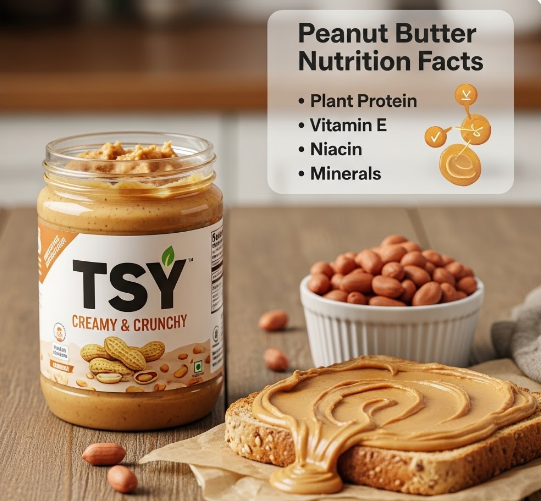
Yes, eating peanut butter is considered very healthy because it contains a wide array of heart-healthy fats, plant-based proteins, and essential micronutrients that support metabolic function and cardiovascular health.
When discussing the health profile of peanut butter, the conversation usually centers on its nutrient density. A standard serving of natural peanut butter provides a significant amount of Vitamin E, which acts as a powerful antioxidant, and Magnesium, which is crucial for bone health and nerve function. Because it is a plant-based food, it fits perfectly into various dietary patterns, including Mediterranean and vegan diets.
However, the "healthiness" of the product often depends on the ingredients list. The healthiest peanut butter options are those that contain only one or two ingredients: peanuts and perhaps a pinch of salt. Many commercial brands add hydrogenated oils, trans fats, and excessive sugars, which can negate the natural benefits of the peanuts. By choosing gluten free peanut butter without these additives, you ensure you are getting the pure nutritional value of the legume.
Regular consumption of peanut butter has been linked to a reduced risk of chronic diseases. For instance, the high concentration of monounsaturated fats found in the spread is similar to that found in olive oil, which is known to protect the heart. As long as portion sizes are managed to account for its high calorie count, it remains one of the most affordable and accessible "superfoods" available on the market today.
Is peanut butter a healthy fat or protein?
Peanut butter is primarily a source of healthy fats, but it also serves as a significant source of plant-based protein, making it a dual-purpose macronutrient powerhouse.
While many people view peanut butter as a protein supplement, the majority of its calories actually come from fat. In a typical 100g serving of natural peanut butter, you might find approximately 50g of fat and 25g to 30g of protein. The "healthy" aspect comes from the fact that about 80% of these fats are unsaturated, which are the types of fats that help lower "bad" LDL cholesterol and provide sustained energy.
The protein content in peanut butter is particularly valuable for those on a plant-based diet. While it is not a "complete" protein—meaning it lacks some of the essential amino acids like methionine—pairing it with whole-grain bread (which contains those missing amino acids) creates a complete protein profile. This makes a simple peanut butter sandwich a nutritionally sound choice for muscle repair and growth.
In the context of modern nutrition, the synergy between the fats and proteins in peanut butter is what makes it so effective. The fat helps the body absorb fat-soluble vitamins like Vitamin E, while the protein promotes satiety. Whether you are consuming chocolate peanut butter as a treat or natural peanut butter as a staple, you are benefiting from this high-fat, high-protein combination that fuels the body differently than simple carbohydrates.
Is peanut butter a carb or protein?
Peanut butter is much higher in protein than in carbohydrates, typically containing about three times as much protein as net carbs per serving.
Strictly speaking, peanut butter is low in carbohydrates, which is why it is a favorite in ketogenic and low-carb communities. A standard two-tablespoon serving usually contains about 6 to 8 grams of total carbohydrates, but approximately 2 to 3 grams of that is dietary fiber. This means the "net carb" count is quite low, making natural peanut butter an ideal snack for those monitoring their insulin response.
The protein-to-carb ratio is what sets peanut butter apart from other spreads. While a fruit jam is almost 100% sugar and carbs, peanut butter provides roughly 7 to 8 grams of protein per serving. This high protein content helps slow down the digestion of the few carbohydrates present, preventing the rapid blood sugar spikes often associated with high-carb snacks.
For individuals looking for specialized options, such as gluten free peanut butter, the carbohydrate profile remains stable and safe for those with celiac disease or gluten sensitivities. Even in flavored varieties like chocolate peanut butter, the foundational nutrition remains dominated by the protein and fat of the peanuts themselves, though one should always check for added sugars that might increase the carb count.
Calories in 1 tablespoon of peanut butter
One tablespoon of peanut butter typically contains approximately 90 to 100 calories, depending on the specific brand and whether it contains added sugars or oils.
Because peanut butter is so energy-dense, even a small amount like a single tablespoon carries a significant caloric load. This is primarily due to the fat content; since fat contains 9 calories per gram compared to the 4 calories per gram found in protein and carbs, the high fat concentration in peanut butter naturally drives the calorie count up.
| Component | Amount per 1 Tablespoon (Approx. 16g) |
| Total Calories | 94 kcal |
| Total Fat | 8g |
| Saturated Fat | 1.5g |
| Protein | 4g |
| Total Carbs | 3g |
| Dietary Fiber | 1g |
Managing your intake is crucial. While peanut butter is healthy, eating it straight from the jar can lead to an accidental consumption of 500 calories or more in just a few minutes. If you are opting for natural peanut butter, you are getting "cleaner" calories without the filler ingredients found in processed versions.
For those who enjoy a bit of indulgence, chocolate peanut butter may have slightly more calories due to the addition of cocoa butter and sweeteners. However, the core caloric structure remains similar. Knowing that a single tablespoon provides nearly 100 calories helps you integrate peanut butter into a balanced meal plan without exceeding your daily energy requirements.
Peanut butter benefits
The primary benefits of peanut butter include improved heart health, better weight management through satiety, and a rich supply of antioxidants that protect against cellular damage.
One of the most celebrated benefits of peanut butter is its impact on cardiovascular wellness. The presence of oleic acid helps maintain healthy blood pressure and cholesterol levels. Additionally, peanuts are a rare source of resveratrol—the same antioxidant found in red wine—which is known for its anti-aging and heart-protective properties.
Beyond physical health, peanut butter is an excellent tool for appetite control. Because it contains a combination of fiber, protein, and fat, it takes longer to digest than high-carb snacks. This "staying power" keeps you full for hours, which can prevent overeating later in the day. Using natural peanut butter in your breakfast or as a mid-afternoon snack can be a strategic way to manage hunger.
Furthermore, peanut butter provides essential minerals like Phosphorus, which helps the body produce energy and build healthy bones, and Potassium, which supports muscle function and fluid balance. For athletes, the high energy density of peanut butter makes it a perfect pre-workout fuel, while the gluten free peanut butter varieties ensure that those with dietary restrictions can still enjoy these extensive nutritional advantages.
Does peanut butter raise cholesterol?
No, pure peanut butter does not contain cholesterol, and its high levels of unsaturated fats can actually help lower "bad" LDL cholesterol levels.
Since peanut butter is a plant-based food, it is naturally cholesterol-free. Cholesterol is only found in animal products like meat, butter, and cheese. In fact, many health organizations recommend replacing saturated fats (like butter) with unsaturated fats (like natural peanut butter) to improve blood lipid profiles.
The monounsaturated and polyunsaturated fats in peanut butter act as "scavengers" in the bloodstream, helping to clear out LDL (low-density lipoprotein) cholesterol, which can clog arteries. Studies have shown that regular nut and nut butter consumption is associated with a lower risk of heart disease, primarily due to this positive effect on cholesterol ratios.
However, the type of peanut butter you choose matters immensely. Some commercial brands use hydrogenated oils to prevent the oil from separating. These oils contain trans fats, which are known to raise "bad" cholesterol and lower "good" HDL cholesterol. To protect your heart, always opt for the healthiest peanut butter labeled as "natural" or "unsalted" to ensure you are not consuming hidden fats that could harm your lipid levels.
What are the side effects of eating peanut butter every day?
While generally healthy, eating peanut butter every day can lead to excessive calorie intake, potential digestive issues, and a high intake of omega-6 fatty acids if not balanced with other foods.
The most common "side effect" of a daily peanut butter habit is weight gain. Because it is so delicious and calorie-dense, it is very easy to overconsume. Eating four or five tablespoons a day can add an extra 400 to 500 calories to your diet, which, if not burned off through activity, will eventually lead to increased body fat.
Another consideration is the balance of fatty acids. Peanut butter is high in Omega-6 fatty acids. While essential, an overabundance of Omega-6 relative to Omega-3 can sometimes promote inflammation in the body. If you eat peanut butter daily, it is wise to also consume foods high in Omega-3s, such as flaxseeds, chia seeds, or fatty fish, to keep your inflammatory markers in check.
Lastly, some individuals may experience digestive discomfort, such as bloating or gas, due to the high fiber and fat content. This is especially true for highly processed versions. Selecting a natural peanut butter or a gluten free peanut butter can often mitigate these issues, as they lack the artificial emulsifiers and thickeners that often irritate the digestive tract.
What is the best time to eat peanut butter?
The best time to eat peanut butter is during breakfast or as a pre-workout snack, as its slow-digesting fats and proteins provide sustained energy throughout the day or during exercise.
Eating peanut butter in the morning can set a positive tone for your blood sugar levels. Because of its low glycemic index, it prevents the mid-morning "crash" that often follows a high-sugar cereal or pastry breakfast. Adding a dollop of natural peanut butter to oatmeal or whole-grain toast ensures a steady release of glucose into your bloodstream.
For fitness enthusiasts, peanut butter serves as an excellent pre-workout fuel. The combination of fat and protein provides a long-lasting energy source that can power you through an intense lifting session or a long run. Some also prefer it as a post-workout snack, pairing it with a banana to help replenish glycogen stores while providing protein for muscle repair.
Interestingly, eating a small amount of peanut butter before bed might also be beneficial for some. The protein contains tryptophan, which can aid in sleep, and the slow-digesting fats prevent you from waking up hungry in the middle of the night. Whether it is chocolate peanut butter for a late-night treat or natural peanut butter, timing it according to your energy needs is key.
Can I lose weight by eating peanut butter?
Yes, you can lose weight by eating peanut butter because its high satiety factor helps you eat fewer total calories throughout the day by keeping you feeling full longer.
It may seem counterintuitive that a high-fat food can help with weight loss, but the science of satiety is powerful. Foods like peanut butter trigger the release of hormones that tell your brain you are full. In clinical studies, people who regularly include nuts or nut butters in their diets tend to have lower BMIs and are more successful at maintaining weight loss than those who avoid them.
The key to weight loss with peanut butter is portion control. A "serving" is typically two tablespoons, which is roughly the size of a golf ball. By strictly adhering to this serving size, you get the nutritional benefits without the caloric surplus. Replacing high-sugar snacks with natural peanut butter and celery or apple slices is a classic weight-loss strategy that provides crunch, flavor, and nutrients.
To maximize weight loss, avoid the "reduced-fat" versions of peanut butter. When manufacturers remove the healthy fats, they often replace them with sugar and starches to maintain the flavor and texture. This actually makes the product less satiating and worse for your metabolism. Stick to the healthiest peanut butter—the full-fat, natural kind—to get the most out of your weight loss efforts.
Does peanut butter raise blood sugar?
No, pure peanut butter has a very low glycemic index (GI), meaning it causes a slow and minimal rise in blood sugar levels compared to high-carb foods.
For individuals with type 2 diabetes or those struggling with insulin resistance, peanut butter is an excellent dietary addition. The presence of fiber and healthy fats slows down the absorption of carbohydrates. In fact, research has shown that adding natural peanut butter to a high-carbohydrate meal (like a piece of white bread) can significantly lower the overall glycemic response of that meal.
The Magnesium content in peanut butter also plays a role in blood sugar management. Magnesium is a mineral that helps the body's cells respond better to insulin. By regularly consuming natural peanut butter, you are providing your body with the tools it needs to process glucose more efficiently.
However, caution is needed with flavored varieties. Chocolate peanut butter or "honey roasted" versions often contain significant amounts of added sugar, which will raise the glycemic index. For metabolic health, the healthiest peanut butter is always the unsweetened, natural variety. It provides all the flavor and satisfaction without the unwanted glucose spikes.
Is peanut butter anti-inflammatory?
Yes, natural peanut butter contains several anti-inflammatory compounds, including p-coumaric acid and resveratrol, which help reduce oxidative stress in the body.
Inflammation is at the root of many chronic diseases, from arthritis to heart disease. The monounsaturated fats in peanut butter are similar to those in olive oil, which is the cornerstone of the anti-inflammatory Mediterranean diet. These fats help to dampen inflammatory markers in the blood, promoting better vascular health and joint comfort.
Moreover, the skin of peanuts—which is often included in "crunchy" or "natural" varieties—is rich in polyphenols. These antioxidants neutralize free radicals, which are unstable molecules that cause cellular damage and inflammation. By choosing a high-quality natural peanut butter, you are essentially consuming a concentrated dose of plant-based protection.
It is important to note that highly processed peanut butter containing hydrogenated oils and high-fructose corn syrup can actually promote inflammation. To ensure you are getting the anti-inflammatory benefits, you must stick to natural peanut butter and avoid products with long lists of artificial ingredients. A clean, gluten free peanut butter is a simple way to support your body's natural defense systems every day.
In Conclusion
In summary, peanut butter is far more than just a tasty spread; it is a complex, nutrient-dense food that offers significant health benefits when integrated thoughtfully into your diet. From supporting heart health with its unsaturated fats to aiding in weight loss through superior satiety, it remains a staple for anyone seeking a balance of taste and nutrition. By prioritizing natural peanut butter and being mindful of portion sizes, you can enjoy this versatile ingredient as part of a vibrant, healthy lifestyle.