The global pantry staple known as peanut butter has been a subject of intense nutritional debate for decades. Originally developed as a protein substitute for people with poor teeth, it has evolved into a multi-billion dollar industry. Whether it is smeared on morning toast, blended into a pre-workout smoothie, or enjoyed straight from the jar, peanut butter remains one of the most popular functional foods in the modern diet.
Peanut butter is generally considered a highly nutritious and healthy food choice when consumed in moderation, as it provides a dense source of plant-based protein, heart-healthy monounsaturated fats, and essential micronutrients like Vitamin E and magnesium.
However, the health profile of peanut butter depends heavily on its processing. While natural peanut butter offers the purest benefits, commercial varieties often contain added sugars and hydrogenated oils that can diminish its nutritional value. Understanding the balance between its high caloric density and its metabolic benefits is key to determining if it fits your specific dietary goals.
In this comprehensive guide, we will analyze the nutritional breakdown of peanut butter, compare it to other nut snacks, address safety concerns, and explore why it remains a favorite among athletes and health enthusiasts alike.
Table of Contents
What Is Peanut Butter?
Peanut Butter Nutrition
How Long Does Peanut Butter Last?
What Are the Benefits of Peanut Butter?
Peanut Butter Risks
How to Make Peanut Butter
Peanut Butter vs. Almond Butter: Which Is Healthier?
Peanut Butter FAQs
What Is Peanut Butter?
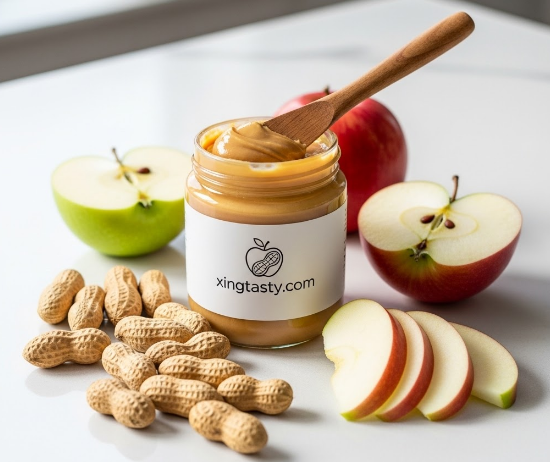
Peanut butter is a food paste or spread made from ground, dry-roasted peanuts, often categorized into "creamy" or "crunchy" textures based on the degree of processing.
At its most fundamental level, peanut butter is a simple mechanical emulsion. The process begins by shelling and roasting peanuts to develop their signature nutty flavor and aroma. Once cooled, the peanuts undergo a grinding process. During this stage, the natural oils (primarily oleic acid) are released from the peanut cells, transforming the solid legumes into a thick, spreadable consistency.
In the world of high-quality food production, natural peanut butter is defined by its lack of additives. It typically contains nothing more than peanuts and perhaps a pinch of salt. When you purchase natural peanut butter, you will often notice a layer of oil at the top of the jar; this is a hallmark of purity, indicating that no stabilizers or emulsifiers have been used to prevent the oil from separating.
Conversely, many commercial brands produce "no-stir" versions. These products often include fully or partially hydrogenated vegetable oils to keep the spread smooth and consistent at room temperature. Some varieties also introduce flavor profiles like chocolate peanut butter to appeal to the confectionery market, blending the protein power of the nut with the sweetness of cocoa and sugar.
Peanut Butter Nutrition
Peanut butter is a nutritionally dense food, providing a balanced ratio of the three main macronutrients: carbohydrates, protein, and healthy fats.
A standard two-tablespoon serving of peanut butter contains approximately 190 calories. While this may seem high, the caloric load is justified by the concentration of nutrients. It offers roughly 7 to 8 grams of plant-based protein, making it an excellent option for those following a vegetarian or vegan diet. Furthermore, it is naturally a gluten free peanut butter option, which is critical for individuals with celiac disease or gluten sensitivities.
The lipid profile of peanut butter is particularly impressive. Approximately 80% of its fat content consists of unsaturated fats, which are the "good" fats that support cardiovascular health. Specifically, it contains high levels of monounsaturated fatty acids (MUFAs), similar to those found in olive oil. It also provides a significant amount of Vitamin E, B vitamins (especially niacin and B6), magnesium, and potassium.
| Nutrient (per 2-tbsp) | Amount | Daily Value (%) |
| Calories | 190 | 10% |
| Protein | 8g | 16% |
| Total Fat | 16g | 21% |
| Saturated Fat | 3g | 15% |
| Fiber | 2g | 8% |
| Vitamin E | 3mg | 20% |
| Magnesium | 50mg | 12% |
How Long Does Peanut Butter Last?
Peanut butter has a relatively long shelf life due to its low moisture content and high oil levels, typically lasting 6 to 9 months in the pantry if unopened, and 2 to 3 months once opened.
The longevity of peanut butter depends largely on whether it is a processed commercial brand or a natural peanut butter. Commercial brands often contain preservatives and stabilized fats that prevent oxidation, allowing them to remain fresh on a shelf for nearly a year. Even after the "best by" date, the product is often safe to consume, though the flavor may begin to degrade as the oils eventually turn rancid.
Natural peanut butter is more sensitive to environmental factors. Because it lacks stabilizers, the natural oils can oxidize faster when exposed to heat and light. To extend the life of natural peanut butter, many experts recommend refrigeration after opening. This slows down the separation of the oil and prevents the "off" smell and bitter taste associated with rancidity.
Signs that your peanut butter has gone bad include a significant change in texture (becoming hard and dry), a dark color shift, or a sharp, soapy, or metallic odor. If you see any signs of mold, which is rare but possible in contaminated jars, the entire container should be discarded immediately.
What Are the Benefits of Peanut Butter?
The primary benefits of peanut butter include improved heart health, weight management through satiety, and the provision of essential antioxidants like resveratrol.
One of the most significant advantages of consuming peanut butter is its impact on heart health. The high ratio of unsaturated to saturated fats helps lower LDL (bad) cholesterol levels while maintaining HDL (good) cholesterol. Regular consumption has been linked to a reduced risk of coronary heart disease. Furthermore, the presence of p-coumaric acid and resveratrol provides antioxidant properties that help reduce cellular inflammation.
Despite being calorie-dense, peanut butter is an effective tool for weight management. The combination of protein and fiber promotes a feeling of fullness, or satiety. When you feel full, you are less likely to snack on empty-calorie processed foods. Many athletes use peanut butter as a sustained energy source because the fats and proteins provide a slow, steady release of energy rather than the "spike and crash" associated with high-sugar snacks.
Finally, peanut butter supports blood sugar control. Because it has a low glycemic index, it does not cause rapid increases in blood glucose. This makes it a safe and beneficial snack for individuals with Type 2 diabetes, especially when choosing natural peanut butter without added cane sugar or high fructose corn syrup.
Peanut Butter Risks
The main risks associated with peanut butter include severe allergic reactions, the presence of aflatoxins, and the potential for excessive calorie intake if portion sizes are not monitored.
Peanut allergies are among the most common and dangerous food allergies worldwide. For sensitive individuals, even trace amounts of peanut butter can trigger anaphylaxis, a life-threatening reaction. This is why many schools and public spaces have become "peanut-free zones." It is essential to ensure that any product labeled as gluten free peanut butter is also processed in a facility that manages cross-contamination if allergies are a concern.
Another hidden risk is the presence of aflatoxins. Peanuts grow underground, where they can be colonized by a mold called Aspergillus flavus. This mold produces aflatoxins, which are linked to liver issues in long-term, high-exposure cases. However, modern processing and strict USDA regulations in the United States significantly reduce these levels, making commercial peanut butter very safe for the general population.
Lastly, the health benefits can be negated by poor choices in product selection. Some "low-fat" versions of peanut butter replace healthy fats with sugar and fillers, which increases the glycemic load. Additionally, overconsumption can lead to weight gain. It is vital to look for the healthiest peanut butter options, which generally feature a short ingredient list: peanuts and salt.
How to Make Peanut Butter
Making peanut butter at home involves roasting raw peanuts and processing them in a high-speed blender or food processor until the natural oils release and a smooth paste forms.
The first step in creating the healthiest peanut butter is selecting high-quality raw peanuts. Roasting them at approximately 350 degrees Fahrenheit for 10 to 15 minutes is crucial, as this step not only enhances the flavor but also softens the nuts, making it easier for the oils to be released during the grinding phase. Once roasted, let them cool slightly but process them while still warm.
Place the peanuts in a food processor. At first, the mixture will look like dry crumbs. Continue processing for 3 to 5 minutes. You will see the mixture go through several stages: from crumbs to a thick ball, and finally to a smooth, liquid-like gold. At this point, you can customize your batch. You might add a pinch of sea salt, a drizzle of honey, or even cocoa powder to create a homemade chocolate peanut butter.
Homemade peanut butter is superior because you have total control over the ingredients. There are no hidden palm oils or preservatives. Store your creation in a glass jar. Because it is a natural peanut butter, it will likely separate over time, so give it a quick stir before each use to redistribute the heart-healthy oils.
Peanut Butter vs. Almond Butter: Which Is Healthier?
While both are nutrient-dense, almond butter contains more fiber and Vitamin E, whereas peanut butter offers slightly more protein and is generally more affordable.
When comparing peanut butter to almond butter, the "healthier" choice often depends on your specific micro-nutrient needs. Almond butter is often cited for having higher levels of monounsaturated fats and slightly more fiber (roughly 3 grams per serving compared to 2 grams in peanuts). It is also a powerhouse of Vitamin E, an important antioxidant for skin health and immune function.
However, peanut butter remains a powerhouse for protein. It typically edges out almond butter by a gram or two per serving. For many families and B2B food service providers, the cost-to-benefit ratio of peanut butter is unbeatable. It provides a similar nutritional profile to expensive tree nut butters at a fraction of the price, making it the most accessible plant-based protein spread on the market.
Ultimately, both are excellent choices. If you are looking for the healthiest peanut butter or almond butter, the rule remains the same: avoid added sugars and hydrogenated fats. Both can be part of a heart-healthy diet, and alternating between them can provide a wider spectrum of minerals and vitamins.
| Feature | Peanut Butter | Almond Butter |
| Protein | Higher (8g) | Lower (6g) |
| Fiber | Moderate (2g) | Higher (3g) |
| Vitamin E | Good | Excellent |
| Cost | Low | High |
| Common Additives | Sugar, Palm Oil | Usually Natural |
Peanut Butter FAQs
Is peanut butter good for weight loss?
Yes, peanut butter can aid weight loss because its high protein and fiber content promote satiety, helping you eat fewer calories throughout the day. By including a serving of natural peanut butter in your breakfast, you are less likely to experience mid-morning hunger pangs.
Is chocolate peanut butter healthy?
Chocolate peanut butter is generally less healthy than plain varieties because it usually contains significant amounts of added sugar and saturated fats from cocoa butter or oils. While it provides a tasty treat, it should be consumed sparingly as a dessert rather than a primary protein source.
Does peanut butter contain cholesterol?
No, peanut butter is a plant-based food and contains zero cholesterol. The fats found in peanut butter are primarily unsaturated, which can actually help improve your cholesterol profile by lowering LDL levels.
Is all peanut butter gluten-free?
Most peanut butter is naturally gluten-free, but you should always check the label for "gluten free peanut butter" certification to ensure no cross-contamination occurred during processing. Some flavored varieties or those with "cookie bits" additives may contain gluten.
Can I eat peanut butter every day?
Eating a moderate amount of peanut butter every day—about two tablespoons—is perfectly healthy for most people and provides a consistent source of vitamins and minerals. Just be mindful of the high calorie count to ensure it fits within your total daily energy expenditure.