Is Straw Mushroom Soy Sauce Harmful to Human Health?
Introduction: Questions Raised by a Bottle of Soy Sauce
In everyday cooking, soy sauce is an indispensable seasoning. As a classic variety of dark soy sauce, straw mushroom soy sauce is deeply loved by consumers for its unique umami flavor and rich, reddish-brown color. However, when we pick up a bottle of straw mushroom soy sauce from the supermarket shelf, a question may cross our minds: Is oyster mushroom soy sauce harmful to human health?
The answer to this question is not a simple “yes” or “no.” As rational consumers, we need to understand what oyster mushroom soy sauce actually is, what its ingredients consist of, and under what circumstances it might pose health risks. This article will provide a comprehensive and objective analysis of this issue.
I. What Is Oyster Mushroom Soy Sauce?
1.1 Definition and Origin of Oyster Mushroom Soy Sauce
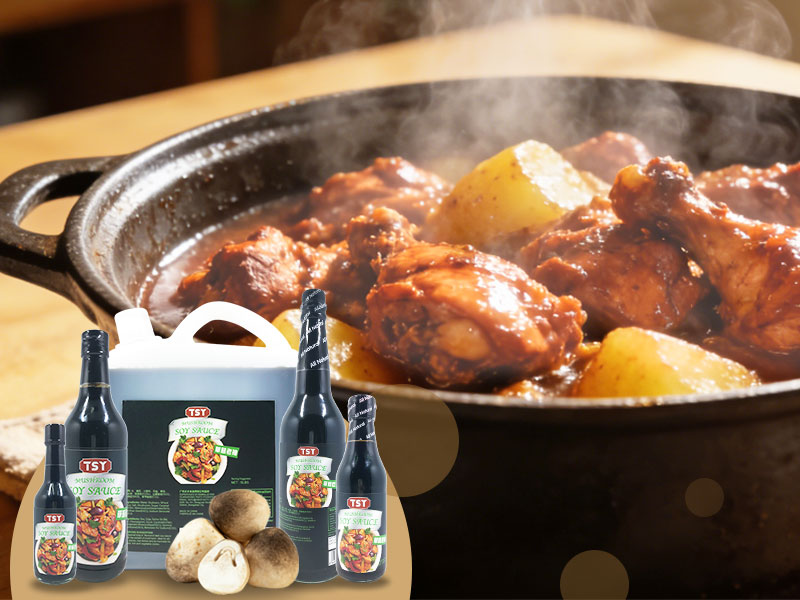
Straw mushroom soy sauce is a seasoning created by blending straw mushroom juice or its extract with traditionally brewed soy sauce. It falls under the category of dark soy sauce and was first developed by a jam factory between 1962 and 1963. In the late 1980s, “Lanhua Brand” straw mushroom dark soy sauce was awarded the title of “High-Quality Product” by the Ministry of Light Industry.
The core characteristic of straw mushroom soy sauce lies in the word “straw mushroom.” Straw mushrooms are rich in amino acids and nucleotides, which significantly enhance the umami flavor of food and give the soy sauce a unique depth of flavor. Currently, well-known brands such as Haitian, Lee Kum Kee, Chubang, and Qianhe all produce straw mushroom soy sauce products.
1.2 Production Process of Straw Mushroom Soy Sauce
The production process for straw mushroom soy sauce can be divided into two main types:
First: Traditional Brewing Method
Represented by major brands such as Haitian and Lee Kum Kee, this method employs a high-salt, low-concentration fermentation process. Using non-GMO soybeans and wheat flour as raw materials, the mixture undergoes traditional fermentation for over 180 days before straw mushroom extract is added for blending. Soy sauce produced through this process features a complex flavor profile and a rich, mellow aroma.
Type 2: Mixed Fermentation Method
Some patented technologies have explored processes that co-ferment straw mushrooms with soy sauce ingredients. For example, one patent describes a method where straw mushroom stems and crushed mushrooms are added during soy sauce fermentation, mixed with ingredients such as soybean meal and wheat flour, and subjected to solid-state fermentation using Aspergillus oryzae. The mixture then undergoes aging, filtration, and pasteurization to produce straw mushroom soy sauce. This method allows the flavor of the straw mushrooms to blend more seamlessly with the soy sauce.
Additionally, according to industry standards, soy sauce formulated with edible fungi requires the addition of no less than 3.0 kilograms of edible fungi (calculated as dried product) per 100 kilograms of raw soy sauce.
1.3 Main Components of Straw Mushroom Soy Sauce
Taking mainstream straw mushroom soy sauce available on the market as an example, its typical ingredient list includes:
Category Ingredient
Base Ingredients Water, non-GMO soybeans, wheat flour
Seasonings Table salt, white sugar
Flavor Source Straw mushrooms (or straw mushroom juice)
Food Additives Monosodium glutamate (MSG), caramel color, etc.
In terms of nutritional content, taking Haitian Straw Mushroom Dark Soy Sauce as an example, every 15 milliliters (approximately one serving) contains: 105 kJ (25 kcal) of energy, 1.5 grams of protein, carbohydrates 4.2 g, sodium 1,198 mg.
II. Safety Analysis of Straw Mushroom Soy Sauce
2.1 Genuine Products: Safety Guaranteed
Conclusion first: Genuine, qualified straw mushroom soy sauce produced by reputable manufacturers is harmless to the human body and safe to consume.
Why is this the case? Let’s analyze it from several perspectives:
(1) Safety of Raw Materials
The basic ingredients of straw mushroom soy sauce—soybeans, wheat, salt, and straw mushrooms—are all common food ingredients that are inherently non-toxic and harmless. As an edible fungus, straw mushrooms are rich in protein, amino acids, vitamins, and minerals, and their extracts are widely used in condiments to enhance umami flavor.
(2) Safety of the Fermentation Process
During the soy sauce brewing process, microorganisms such as Aspergillus oryzae not only produce flavor compounds but also break down antinutritional factors in the raw materials. The fermentation process, which lasts several months, and the subsequent high-temperature pasteurization effectively eliminate harmful microorganisms, ensuring product safety.
(3) Compliance of Food Additives
Common food additives found in straw mushroom soy sauce include:
Monosodium glutamate (MSG): Recognized by international authorities as one of the safest food additives, used to enhance umami flavor.
Caramel color: A natural coloring agent used to add color to dishes, in compliance with national standards.
Potassium sorbate/sodium benzoate: Preservatives used to prevent product spoilage; safe when used within national standard limits.
2.2 Grading Standards for Straw Mushroom Soy Sauce
The quality of straw mushroom soy sauce is closely related to its grade. According to the national standard “Fermented Soy Sauce” GB/T 18186-2000, soy sauce is graded based on its “amino acid nitrogen” content:
Grade Amino Acid Nitrogen Content (g/100mL)
Special Grade ≥0.80
Grade 1 ≥0.70
Grade 2 ≥0.55
Grade 3 ≥0.40
Straw mushroom dark soy sauce typically meets Grade 1 standards (≥0.70 g/100 mL), and some Special Grade products can reach ≥0.80 g/100 mL. The higher the amino acid nitrogen content, the richer the umami flavor and the better the quality of the soy sauce.
III. Potential Risks of Straw Mushroom Soy Sauce: Under What Circumstances Is It Harmful?
Although standard straw mushroom soy sauce is safe, it may have adverse effects on human health under the following circumstances:
3.1 Risk 1: Excessively High Sodium Content
This is the most significant practical health risk.
Straw mushroom soy sauce is a high-sodium condiment. Taking Haitian Straw Mushroom Dark Soy Sauce as an example, every 15 milliliters contains 1,198 milligrams of sodium. What does this mean?
The Chinese Dietary Guidelines recommend that adults consume no more than 2,400 milligrams of sodium per day (approximately 6 grams of salt).
Just 15 milliliters of oyster mushroom soy sauce provides nearly 50% of the daily sodium limit.
Potential Risks: A long-term high-sodium diet increases the risk of hypertension, cardiovascular disease, kidney disease, and stomach cancer.
Recommendation: Be mindful of the amount of straw mushroom soy sauce used. When braising dishes, a small amount is sufficient to add color and enhance flavor; avoid overuse.
3.2 Risk Two: Quality Issues with Non-Compliant Products
This is a “hidden killer” that consumers need to be wary of.
Random inspections by market regulatory authorities have revealed that some straw mushroom soy sauce products do indeed fail to meet quality standards.
Poor flavor: A severe lack of umami may indicate insufficient fermentation time or defects in the production process.
Low nutritional value: Amino acids are key nutritional components of soy sauce; excessively low levels indicate poor quality.
Safety Concerns: While low levels of amino acid nitrogen do not directly pose a health risk, they indicate improper production process control and may signal other quality issues.
Recommendation: When purchasing straw mushroom soy sauce, choose reputable major brands, buy through official channels, and check the amino acid nitrogen content on the product label.
3.3 Risk Three: Allergy Concerns
Straw mushroom soy sauce contains common allergens such as soybeans and wheat. Individuals allergic to soybeans or wheat may experience allergic reactions after consumption, such as rashes, itching, or difficulty breathing.
Recommendation: Those with allergies should carefully read the ingredient list before purchasing to ensure the product does not contain allergens.
4.1 Check the Specifications: Focus on Amino Acid Nitrogen
Amino acid nitrogen is a key indicator of soy sauce quality; a higher value indicates better quality.
Prioritize Grade 1 or Premium products with amino acid nitrogen ≥0.7g/100mL.
Be wary of products with excessively low values (below 0.4g/100mL is considered substandard).
4.2 Check the Packaging: Pay Attention to the Production Date and Storage Conditions
Check the production date and choose products that were recently produced.
Ensure the packaging is intact, with no leaks or signs of swelling.
Store according to the instructions after purchase; refrigeration is recommended after opening.
V. Scientific Consumption Recommendations
Straw mushroom soy sauce is harmless in itself; the key lies in “moderation” and “proper use.” Here are some practical suggestions:
5.1 Control Portion Sizes
Using 5–10 milliliters per dish is sufficient to achieve the desired color and enhance flavor.
When braising dishes, combine dark soy sauce and light soy sauce; dark soy sauce is primarily used for coloring.
Monitor your total daily sodium intake and balance the use of other sodium-containing seasonings (salt, chicken bouillon, bean paste, etc.).
5.2 Proper Storage
Unopened: Store at room temperature away from light.
After opening: Refrigeration is recommended to prevent flavor degradation and microbial contamination.
A small amount of sediment in fermented products is normal.
5.3 Proper Cooking Methods
Straw mushroom dark soy sauce is suitable for braised, marinated, and stewed dishes that require coloring.
Avoid prolonged heating at extremely high temperatures to prevent the breakdown of umami compounds.
Using it in cold dishes can enhance the depth of flavor
Conclusion
Is straw mushroom soy sauce harmful to human health? The answer is: Genuine products are harmless, but it is important to use them in moderation and select them carefully.
As a uniquely flavored condiment, straw mushroom soy sauce is completely safe to consume as long as it is a qualified product purchased through legitimate channels. What we should truly be wary of is not the straw mushroom soy sauce itself, but the risks posed by substandard products and excessive consumption.