The culinary world relies heavily on the depth of umami, and few ingredients deliver this essential fifth taste as effectively as soy sauce. From the bustling street food stalls of Southeast Asia to the refined kitchens of Michelin-starred restaurants, this fermented amber liquid is a cornerstone of global flavor profiles. However, for procurement managers and professional chefs, understanding the nuances of this condiment is vital for maintaining consistency and quality in high-volume food production.
No, all soy sauces are not the same; they vary significantly based on their country of origin, the ratio of soybeans to wheat, the specific fermentation process used, and the length of aging, which ultimately dictates their color, viscosity, and saltiness.
Navigating the diverse marketplace of fermented condiments requires a technical understanding of how different brewing methods impact the final application. Whether you are looking for a light seasoning for seafood or a deep, viscous glaze for meats, choosing the right variety is the difference between a balanced dish and an overwhelming one. This guide will delve into the technical specifications, regional differences, and professional applications of soy sauce to help you optimize your kitchen’s flavor inventory.
Table of Contents
Japanese vs. Chinese soy sauce
Which soy sauce goes well with your dish
What is soy sauce made of
How is soy sauce used in food service
The main types of Japanese soy sauce
Soy sauce in sweet dishes too: ketjap manis
Making the most of soy sauce in restaurants and commercial kitchens
Which soy sauce is best suited to professional kitchens
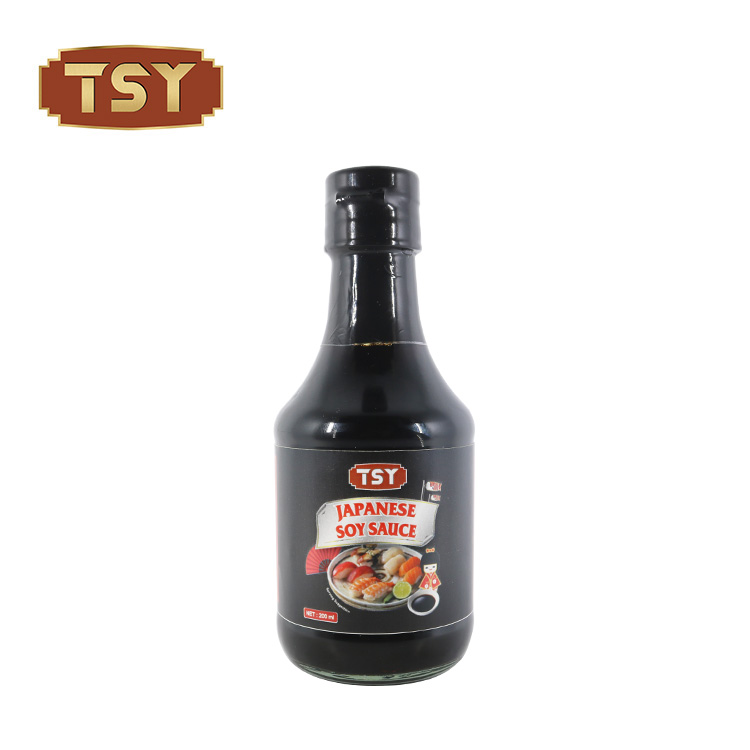
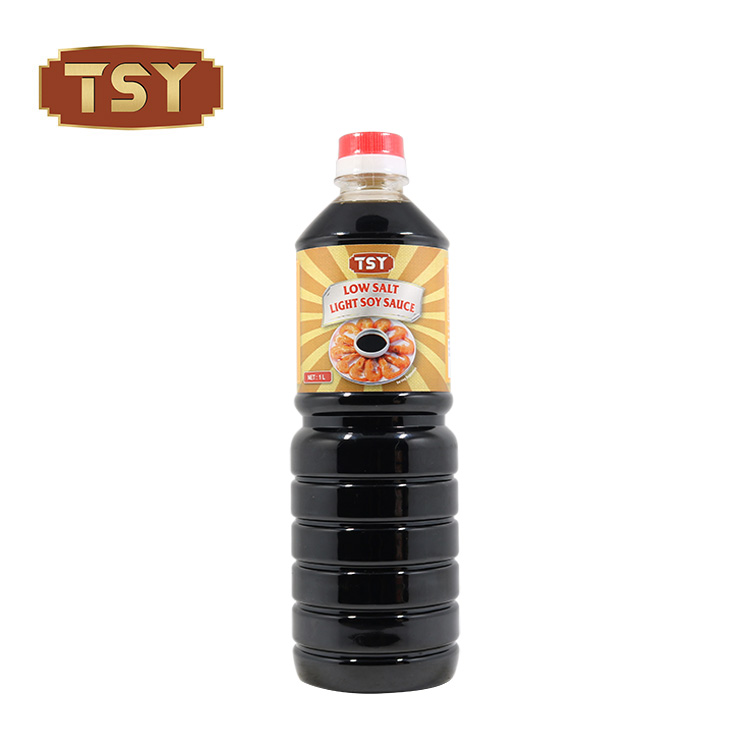
Japanese vs. Chinese soy sauce
The primary distinction between Japanese and Chinese soy sauce lies in the ingredient composition and fermentation technique, where Japanese varieties typically use an equal ratio of soy to wheat for a sweeter, aromatic profile, while Chinese varieties often prioritize soybeans for a saltier, more robust punch.
Japanese soy sauce, known as Shoyu, is defined by its use of roasted wheat. This inclusion of grain during the brewing process creates a complex bouquet of esters and alcohols, resulting in a clearer, thinner, and more fragrant liquid. Because of this balance, Japanese soy sauce is often preferred for dipping and finishing, where the delicate nuances of the brew can be appreciated without being masked by heavy fats or spices.
Chinese soy sauce is generally categorized into "Light" (Sheng Chou) and "Dark" (Lao Chou). Light Chinese soy sauce is the first pressing and is incredibly salty, used primarily for seasoning and bringing out the natural flavors of ingredients. Dark Chinese soy sauce, on the other hand, is aged longer and often contains added caramel or molasses. This makes it thicker and less salty than light soy sauce, used predominantly for adding a rich, mahogany color to braised meats and stews.
From a B2B perspective, understanding these differences is crucial for recipe standardization. A chef trained in Cantonese cuisine will find Japanese Shoyu too light for a traditional "Red Braise," whereas a sushi chef would find Chinese Light soy sauce too aggressive for delicate raw fish. The choice between these two regional styles dictates the sodium levels and color intensity of the final commercial food product.
Which soy sauce goes well with your dish
Selecting the correct soy sauce depends on the desired balance of salt, color, and aroma, with lighter, thinner sauces suiting delicate proteins and heavier, darker sauces pairing best with hearty vegetables and red meats.
When preparing sashimi or cold appetizers, a high-quality, naturally brewed Japanese Shoyu is the gold standard. Its subtle sweetness complements the natural fats in fish like salmon or tuna without overpowering the palate. In these applications, the soy sauce acts as a flavor enhancer rather than a dominant mask. For stir-fries where high heat is applied, a Chinese light soy sauce provides the necessary salinity and umami depth that can withstand the "wok hei" or breath of the wok.
In the realm of slow-cooking and braising, dark soy sauces are indispensable. These varieties provide the deep, appetizing glaze seen in dishes like Teriyaki or glazed ribs. Because dark soy sauce has a higher sugar content and a more viscous texture, it clings to the surface of proteins, creating a visual appeal that is essential for commercial food photography and restaurant presentation. Using a light sauce in a braising context often results in a dish that is too salty and visually unappealing.
For modern fusion and plant-based cooking, the versatility of soy sauce is being pushed further. Chefs are using low-sodium variants or tamari (gluten-free soy sauce) to cater to health-conscious consumers. The following table summarizes common pairings:
| Dish Category | Recommended Soy Sauce | Primary Function |
| Sushi and Sashimi | Japanese Shoyu | Aroma and delicate saltiness |
| Stir-fried Vegetables | Light Chinese Soy Sauce | Instant salt and umami boost |
| Braised Beef/Pork | Dark Chinese Soy Sauce | Color intensity and viscosity |
| Dipping Sauces | Light Shoyu or Ponzu | Brightness and acidity |
| Marinated Tofu | Tamari | Deep flavor without gluten |
What is soy sauce made of
At its core, traditional soy sauce is made from four simple ingredients: water, soybeans, wheat, and salt, which are transformed through the action of specific molds and yeasts over several months of fermentation.
The quality of the soy sauce starts with the soybeans. High-protein soybeans provide the amino acids that result in a rich umami profile. These beans are steamed and mixed with roasted, crushed wheat. The inclusion of wheat is what separates high-quality brewed sauces from "chemical" soy sauces. In the natural brewing process, the starches in the wheat are converted into sugars, providing the characteristic sweetness and complex aroma that synthetic alternatives lack.
The third and most critical "silent" ingredient is the Aspergillus mold, often referred to as Koji. This culture is introduced to the soy and wheat mixture to begin the breakdown of proteins and carbohydrates. Following this, a brine solution (salt and water) is added to create a mash known as moromi. This mash is then aged in vats, sometimes for years, allowing the flavor to develop through a slow, natural enzymatic reaction.
In commercial food manufacturing, it is important to distinguish between naturally brewed and acid-hydrolyzed vegetable protein (HVP). HVP "soy sauce" is produced in days rather than months by using hydrochloric acid to break down the soy protein. While cheaper, these products often contain artificial colors and flavors to mimic the real thing. For premium food service brands, naturally brewed soy sauce is the only choice for an authentic flavor profile.
How is soy sauce used in food service
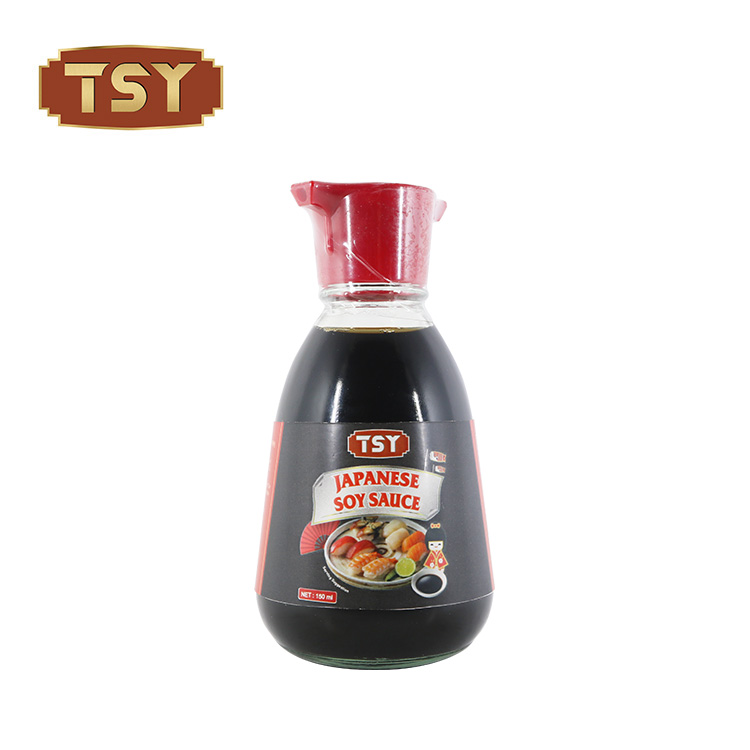
In the food service industry, soy sauce serves as a multi-functional ingredient used as a marinade, a base for complex sauces, a natural flavor enhancer in place of salt, and a darkening agent for aesthetic consistency.
Professional kitchens often purchase soy sauce in bulk (such as 5-gallon pails or 20-liter bibs) because of its utility as a foundational seasoning. It is frequently used in marinades for poultry and beef, where the enzymes in the sauce help to tenderize the meat fibers while the salt content ensures deep penetration of flavor. In high-volume operations, soy sauce is the secret ingredient in non-Asian dishes as well, often added to gravy, bolognese, or stews to provide a "beefier" taste without adding excessive meat stock.
Beyond seasoning, soy sauce is a critical component in the production of house-made signature sauces. By combining soy sauce with aromatics like ginger, garlic, and scallions, or sweeteners like honey and brown sugar, kitchens can create unique dipping sauces that define their brand. Its ability to emulsify slightly with oils also makes it a popular base for vinaigrettes in salad bars and grab-and-go food sectors.
Furthermore, soy sauce is a powerful tool for sodium management in professional kitchens. Because it provides umami (glutamates) alongside salt (sodium chloride), chefs find they can use less total salt to achieve a satisfying flavor. This "salt-reduction" capability is increasingly important in the B2B sector as hospitals, schools, and health-focused restaurant chains look for ways to lower sodium levels on their menus without sacrificing taste.
The main types of Japanese soy sauce
Japanese soy sauce is classified into five major categories by the Japanese Agricultural Standard (JAS), with Koikuchi (dark) being the most common and Usukuchi (light) used for preserving the natural color of ingredients.
Koikuchi represents about 80% of the soy sauce produced in Japan. It is the "all-purpose" variety most consumers are familiar with. It features a deep color and a robust flavor that works well in almost any culinary application. For a restaurant, this is the most versatile SKU to keep in stock, as it covers everything from tabletop seasoning to kitchen prep.
Usukuchi is lighter in color but actually saltier than Koikuchi. It is brewed with more salt to slow down the fermentation process, keeping the liquid pale. It is highly valued in Kyoto-style cuisine (Kaiseki) where the chef wants to season a dish—like a clear dashi soup or simmered vegetables—without turning the ingredients brown. This is a niche but essential product for high-end Japanese dining establishments.
The other three types include Tamari, which is made almost entirely from soybeans and is thicker and darker (popular for gluten-free diets); Saishikomi, which is double-brewed for an intense, sweet flavor used primarily for sashimi; and Shiro, which is made mostly from wheat and is very light and sweet. This variety of options allows a kitchen to fine-tune its flavor output based on specific menu requirements.
Soy sauce in sweet dishes too: ketjap manis
Ketjap manis is a unique Indonesian variety of soy sauce that is heavily sweetened with palm sugar and infused with spices like star anise, making it a thick, syrupy condiment used in both savory and dessert applications.
Ketjap manis is a staple in Southeast Asian cuisine, particularly in dishes like Nasi Goreng and Satay. Unlike its salty Japanese and Chinese cousins, the sugar content in ketjap manis can be as high as 50%. This gives it a viscosity similar to maple syrup or molasses. In professional kitchens, it is often used as a glaze for grilled meats, as the sugar caramelizes quickly over an open flame, providing a charred, smoky sweetness that is difficult to replicate with other ingredients.
Interestingly, the use of soy sauce in desserts is a growing trend in the pastry world. The salt and umami in ketjap manis or even traditional shoyu can enhance the flavor of chocolate, caramel, and vanilla. A "Soy Sauce Caramel" provides a salted-caramel effect but with an added earthy depth. For commercial bakeries and dessert manufacturers, incorporating these savory-sweet elements can provide a sophisticated edge to a product line.
In a B2B context, sourcing ketjap manis requires attention to consistency. Because of the high sugar content, cheaper versions can be prone to crystallization or inconsistent thickness. High-quality Indonesian soy sauce producers ensure that the palm sugar is perfectly integrated, providing a smooth flow that is essential for automated sauce dispensers or bottling lines.
Making the most of soy sauce in restaurants and commercial kitchens
To maximize the value of soy sauce in a commercial setting, kitchens must focus on proper storage, correct dilution for specific tasks, and leveraging the product’s high umami content to reduce the cost of other expensive flavorings.
Storage is a frequently overlooked aspect of soy sauce management. While soy sauce is fermented and has a high salt content, it is still a biological product. Once opened, exposure to oxygen leads to oxidation, which darkens the color and dulls the aroma. For restaurants, it is best to store bulk containers in a cool, dark place and use smaller, airtight dispensers for daily service. This ensures that the last drop of a 20-liter container tastes as fresh as the first.
Efficiency in a professional kitchen also means understanding how to dilute and "stretch" the product. For example, when making a bulk marinade, soy sauce can be combined with water, vinegar, or citrus juices. Because the umami in naturally brewed soy sauce is so concentrated, it can withstand significant dilution while still providing a savory backbone. This allows procurement officers to manage food costs effectively by using soy sauce as a high-impact, low-cost seasoning agent.
Moreover, the versatility of soy sauce makes it a prime candidate for "cross-utilization." A single type of Koikuchi soy sauce can be used in the bar for a "Savory Mary" cocktail, in the kitchen for a marinade, and on the tables as a condiment. This reduces the number of individual line items a business needs to manage, streamlining the supply chain and reducing inventory bloat.
Which soy sauce is best suited to professional kitchens
The best soy sauce for a professional kitchen is a naturally brewed, all-purpose Koikuchi variety that offers a balance of color, aroma, and saltiness, providing the flexibility needed for a wide range of menu items.
For most B2B buyers, "all-purpose" is the keyword. A naturally brewed soy sauce that contains no artificial preservatives or colors is the safest bet for maintaining high standards across diverse recipes. It serves as a reliable baseline for flavor. However, if a kitchen specializes in a specific cuisine—such as a gluten-free cafe or an authentic Cantonese restaurant—specialized variants like Tamari or Dark Chinese Soy Sauce become the primary necessity.
When evaluating suppliers, professional kitchens should look for brands that offer technical support and consistent nutritional profiles. In large-scale food manufacturing, the specific gravity and nitrogen content of the soy sauce must be consistent from batch to batch to ensure the final product remains within flavor specifications. Choosing a supplier that prioritizes the natural brewing process over chemical acceleration is an investment in the long-term reputation of the food service provider.
Summary
In conclusion, while the average consumer might see soy sauce as a singular, salty condiment, the professional world recognizes it as a diverse category of fermented products. From the aromatic balance of Japanese Shoyu to the thick sweetness of Ketjap Manis, each variety serves a specific purpose in the kitchen. For a B2B operation, the key is to select a high-quality, naturally brewed product that offers the versatility and consistency required for modern food service. By understanding the ingredients, fermentation processes, and regional variations, chefs and procurement managers can unlock the full potential of umami to elevate their culinary offerings.