How should mayonnaise be stored after opening?
The Science of Mayonnaise Preservation
Mayonnaise is a fascinating emulsion that requires specific storage conditions to maintain its quality and safety. As a mixture of oil, egg yolk, and acid, this popular condiment presents unique challenges once the seal is broken. Understanding the proper storage methods can extend its shelf life while ensuring food safety.
The Microbiological Environment of Opened Mayonnaise
Commercial mayonnaise typically contains vinegar or lemon juice, which creates an acidic environment (pH around 3.8-4.2) that inhibits bacterial growth. However, once opened, this protective barrier becomes vulnerable to contamination from external sources.
Research published in the Journal of Food Protection indicates that the primary risk with opened mayonnaise isn't the growth of pathogens within the product itself, but rather cross-contamination from utensils, sandwiches, or other foods introduced into the container. The acidic environment of properly formulated mayonnaise actually prevents the growth of salmonella and other pathogens that might have been present in raw eggs during manufacturing.
Refrigeration: The Non-Negotiable First Rule
Why Refrigeration Is Critical
Once opened, mayonnaise must be refrigerated at temperatures between 35-40°F (2-4°C). The cold environment slows down:
Chemical reactions that cause flavor degradation
Oxidation of oils leading to rancidity
Potential microbial growth in contaminated portions
The U.S. Food and Drug Administration specifically recommends refrigeration after opening, noting that while the high acidity provides some protection, consistent cold storage is essential for maintaining both quality and safety.
The Temperature Danger Zone
Bacteria multiply most rapidly between 40°F (4°C) and 140°F (60°C). Leaving mayonnaise at room temperature for extended periods allows any introduced contaminants to grow. A study from the University of Georgia found that mayonnaise contaminated with salmonella and left at room temperature showed significant bacterial growth within just 8 hours.
Container Management: More Important Than You Think
Proper Resealing Techniques
The original lid, when properly secured, provides the best protection. Ensure the rim is clean before closing to prevent creating a breeding ground for microbes at the seal. For jars, wipe the threading with a clean paper towel before screwing the lid back on.
Avoiding Cross-Contamination
The single greatest threat to opened mayonnaise is "double-dipping" - using the same knife or spoon that has contacted bread, meat, or other foods and then reinserting it into the jar. This introduces new microorganisms into the product.
Best practices include:
Using clean utensils every time
Considering squeeze bottles to minimize contamination
Never eating directly from the jar
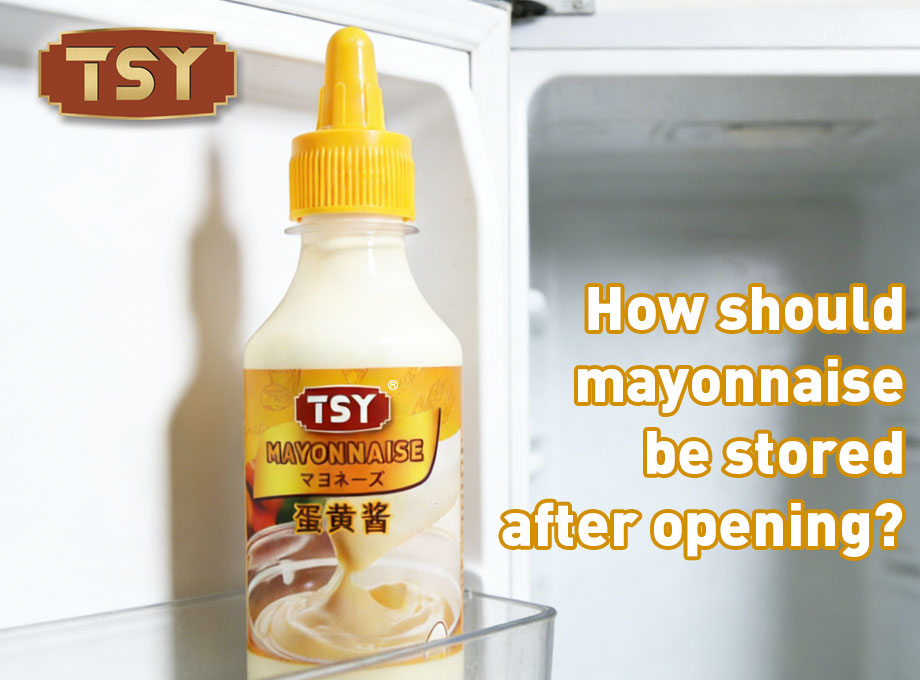
Location Matters: Where in the Refrigerator?
The Coldest Zone
Store mayonnaise on a middle or upper shelf toward the back of the refrigerator, where temperatures are most consistent. Avoid the door shelves, where temperature fluctuations are greatest due to frequent opening and closing.
Separation from Strong Odors
Mayonnaise can absorb odors from pungent foods like onions or certain cheeses. Store it in its original container with the lid securely fastened, and consider placing it in a separate compartment if your refrigerator has one.
Duration: How Long Is Too Long?
Manufacturer Guidelines vs. Reality
Most manufacturers recommend consuming opened mayonnaise within 2-3 months. However, with proper storage, many food scientists agree it can remain safe for significantly longer - up to 6 months or more. The limiting factor is usually quality degradation rather than safety concerns.
Signs of Spoilage
Regardless of time elapsed, discard mayonnaise if you observe:
Mold growth (often around the rim or lid)
Separation that cannot be reversed by stirring
Off odors (particularly rancid or sour smells)
Discoloration or darkening
The Freezer Question: Why It's Not Recommended
Freezing mayonnaise causes the emulsion to break irreversibly. When thawed, it becomes grainy, separated, and generally unappetizing. The water in the emulsion forms ice crystals that destroy the delicate structure created by the egg yolk's emulsifying properties.
Commercial vs. Homemade: Different Rules Apply
Commercial Mayonnaise
The high acidity and pasteurization of eggs in commercial products provide significant protection. Major brands use pasteurized eggs, eliminating salmonella risk from the eggs themselves. The vinegar content (typically 7-10% of the formula) creates an environment where pathogens cannot thrive.
Homemade versions present greater risks because:
They often use raw, unpasteurized eggs
Acid levels may be inconsistent
Preparation environments aren't sterile
Homemade mayonnaise should be treated as a perishable food, consumed within 3-4 days and always refrigerated.
Squeeze Bottles vs. Jars: Is There a Difference?
Squeeze bottles theoretically offer better protection against contamination since utensils don't enter the container. However, they present their own challenges:
The nozzle can become clogged with dried mayonnaise
Residue around the cap can spoil
It's difficult to monitor the condition of mayonnaise inside
Regardless of container type, the same storage principles apply.
Restaurant Practices: What the Pros Do
Commercial food service operations follow strict guidelines:
Date-marking all opened containers
Using portion control methods to minimize contamination
Discarding mayonnaise left at room temperature for more than 2 hours (or 1 hour if temperatures exceed 90°F/32°C)
Never adding fresh mayonnaise to an old batch
These practices, though more stringent than needed at home, highlight the importance of careful handling.
The Quality Degradation Timeline
Even when properly stored, mayonnaise undergoes gradual changes:
First month: Optimal quality, fresh flavor and texture.
1-3 months: Slight flavor degradation may occur, particularly in full-fat versions. The oil may begin to oxidize, creating subtle flavor changes detectable by sensitive palates.
3-6 months: More noticeable quality decline. Emulsion may begin to separate slightly. Acidic notes might become more pronounced.
Beyond 6 months: Safety may not be compromised, but quality is significantly diminished. Nutritional value, particularly vitamin E content, decreases as oils oxidize.
Special Considerations for Different Formulations
Reduced-Fat and Fat-Free Mayonnaise
These products often contain more water and different stabilizers, potentially making them more susceptible to microbial growth. They may also separate more easily. Follow manufacturer instructions carefully and consider using them more quickly than regular mayonnaise.
Organic and Natural Mayonnaise
Products with fewer preservatives may have shorter shelf lives after opening. They often rely solely on acidity for preservation rather than additional chemical preservatives.
Mayonnaise-Based Sauces
Tartar sauce, ranch dressing, and other mayonnaise-based products typically have even shorter shelf lives due to additional ingredients like herbs, dairy, or vegetables. Follow specific product guidelines for these items.
Global Perspectives on Mayonnaise Storage
Interestingly, storage recommendations vary internationally:
In many European countries, unopened mayonnaise is often stored at room temperature, reflecting different formulations with higher acid content
After opening, however, refrigeration is nearly universally recommended
Japanese "Kewpie" mayonnaise, made with rice vinegar and containing MSG, has slightly different storage characteristics but still requires refrigeration after opening
Practical Tips for Optimal Storage
The Clean Lid Rule: Wipe the rim and threads of the jar before resealing.
The Two-Hour Rule: Never leave mayonnaise out for more than two hours total (one hour in hot weather).
The Visual Check: Before each use, inspect for any signs of spoilage.
The Sniff Test: Your nose is an excellent detector of rancidity.
The Stir Test: If separation doesn't recombine with gentle stirring, it's past its prime.
When in Doubt: The Safety First Principle
While mayonnaise is remarkably stable due to its acidic nature, it's not invincible. If you're uncertain about the safety of your mayonnaise:
Consider when it was opened
Evaluate how it has been stored
Check for any signs of spoilage
When uncertain, follow the old adage: "When in doubt, throw it out"
The small cost of replacing mayonnaise isn't worth the risk of foodborne illness, particularly for vulnerable populations including pregnant women, young children, the elderly, and those with compromised immune systems.
Conclusion: A Balanced Approach to Mayonnaise Storage
Properly stored opened mayonnaise can safely last for months in the refrigerator, maintaining reasonable quality for much of that time. The keys are consistent refrigeration at proper temperatures, prevention of contamination through good utensil hygiene, and attention to signs of degradation.
By understanding the science behind mayonnaise preservation and implementing simple storage practices, you can safely enjoy this versatile condiment while minimizing waste. Remember that while commercial mayonnaise is quite resilient, it's not immortal—proper storage maximizes both safety and quality, ensuring your sandwiches, salads, and sauces remain delicious and safe to eat.
If you are interested in wholesale of sauces and noodles, you can leave a comment below, send us a message through our website, or connect with us on social media. Please feel free to contact us TSY Food for a good price.