The culinary world is filled with iconic pairings, but few are as enduring as the combination of nutty spreads and fruit preserves. While often discussed in the same breath due to their partnership in sandwiches, peanut butter and jam are fundamentally different products with distinct manufacturing processes, nutritional profiles, and culinary applications. Understanding these differences is essential for food service providers, retailers, and health conscious consumers who seek the best quality ingredients for their pantries.
The primary difference between peanut butter and jam lies in their core ingredients and production methods: peanut butter is a high protein paste made from ground roasted peanuts, while jam is a sweet spread made by cooking crushed fruits with sugar and pectin. While peanut butter provides healthy fats and protein, jam primarily offers carbohydrates and natural sugars from fruit.
As we delve deeper into the nuances of these two pantry staples, we will explore their nutritional density, the specific manufacturing standards required for high quality spreads, and how they compare in a balanced diet. Whether you are sourcing for a large scale kitchen or simply looking for the healthiest peanut butter options, this comprehensive guide provides the technical and nutritional insights necessary to make an informed choice.
Table of Contents
Peanut Butter and Jam Key Difference
Are Peanut Butter And Jam The Same As Peanut Butter And Jelly?
Which Is Better For You, Peanut Butter Or Jam?
How Are Peanut Butter And Jelly Different?
Is Peanut Butter Healthier Than Strawberry Jam?
Which Is A Healthier Jelly Or Peanut Butter?
In Summation
Frequently Asked Questions
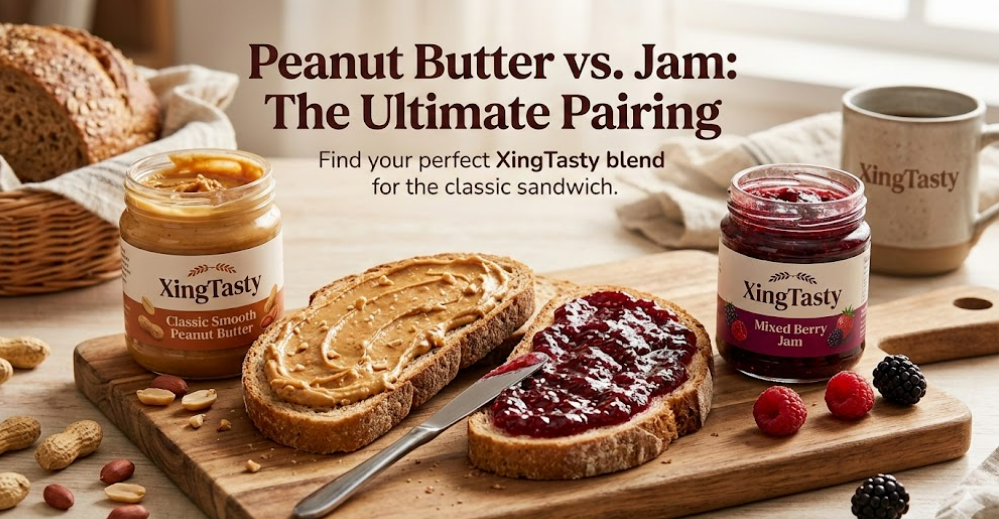
Peanut Butter and Jam Key Difference
The key difference between peanut butter and jam is their macronutrient composition and base ingredient; peanut butter is a legume based spread rich in protein and fats, whereas jam is a fruit based preserve high in sugar and dietary fiber.
When analyzing peanut butter, the focus is on the processing of Arachis hypogaea. High quality natural peanut butter is produced by roasting cleaned peanuts to a specific color and moisture level, then grinding them into a smooth or crunchy consistency. The result is a nutrient dense product that contains significant amounts of monounsaturated fats. For those seeking the healthiest peanut butter, versions that contain only peanuts and a touch of sea salt are preferred, as they avoid the hydrogenated oils and stabilizers found in commercial brands.
Jam, on the other hand, is the result of macerating fruit and boiling it with sugar until the pectin activates, creating a thick, spreadable consistency. Unlike peanut butter, which relies on the natural oils of the nut for texture, jam relies on the chemical reaction between sugar, acid, and pectin. This results in a product that is virtually fat free but significantly higher in glycemic load compared to natural peanut butter.
From a B2B perspective, the storage and shelf life of these products also differ. Peanut butter is relatively shelf stable due to its low moisture content, though natural peanut butter may require refrigeration to prevent oil separation. Jam, because of its high water activity and sugar content, requires careful pH balancing and vacuum sealing to remain shelf stable, and it must be refrigerated once opened to prevent mold growth.
| Feature | Peanut Butter | Jam |
| Base Ingredient | Roasted Peanuts | Crushed Fruit |
| Primary Macronutrient | Fats and Protein | Carbohydrates (Sugar) |
| Texture | Creamy, Paste like, or Crunchy | Chunky, Gel like, or Viscous |
| Common Variants | Chocolate peanut butter, Gluten free peanut butter | Strawberry, Raspberry, Apricot |
| Caloric Density | High (approx. 90 to 100 kcal per tbsp) | Moderate (approx. 50 to 60 kcal per tbsp) |
Are Peanut Butter And Jam The Same As Peanut Butter And Jelly?
No, peanut butter and jam are not the same as peanut butter and jelly because jam contains crushed fruit pieces and pulp, whereas jelly is made from filtered fruit juice and has a clear, firm consistency.
The distinction is important for manufacturers and consumers alike. Peanut butter paired with jelly offers a smoother, more uniform mouthfeel, as jelly is strained to remove all solids. In contrast, pairing natural peanut butter with jam provides a more rustic texture with bursts of fruit flavor from the actual fruit skins and fibers. While the peanut butter remains the constant protein source in these pairings, the fruit component changes the overall sensory experience.
Many consumers often use the terms interchangeably, but in the food industry, labeling laws are strict. A product labeled as jelly must meet specific brix levels and clarity standards. When selecting a spread to accompany gluten free peanut butter, chefs often prefer jam because the fruit pieces provide a more "homemade" aesthetic that appeals to premium market segments.
Furthermore, the nutritional value of jam is slightly higher than jelly because the inclusion of fruit pulp in jam retains some of the vitamins and minerals lost during the juice extraction process used for jelly. Regardless of the fruit choice, peanut butter remains the heavy lifter in terms of satiety and nutritional complexity in these classic combinations.
Which Is Better For You, Peanut Butter Or Jam?
Determining which is better depends on your dietary goals, but peanut butter is generally considered more nutritionally complete due to its high concentration of protein, healthy fats, and essential minerals like magnesium and potassium.
If the goal is muscle recovery or sustained energy, peanut butter is the superior choice. A serving of healthiest peanut butter provides a slow release of energy due to its fat content, which prevents the insulin spikes associated with high sugar foods. For athletes, chocolate peanut butter can even serve as a functional treat that provides both flavor and the necessary amino acids for tissue repair.
However, jam has its place in a balanced diet, particularly as a quick source of glucose for immediate energy. While it lacks the protein found in natural peanut butter, jam is usually lower in calories per tablespoon. If a consumer is on a strictly low fat diet, jam might be "better" in that specific context, though it lacks the satiety factor that peanut butter provides.
Ultimately, the healthiest peanut butter is often categorized by its lack of additives. When comparing a high quality gluten free peanut butter to a sugar laden commercial jam, the nutritional density of the peanut spread far outweighs the fruit spread. Peanuts are a source of Resveratrol and Vitamin E, antioxidants that are rarely found in significant quantities in cooked fruit preserves.
Nutritional Comparison per 100g (Approximate)
Peanut Butter: 588 Calories, 25g Protein, 50g Fat, 20g Carbs
Fruit Jam: 250 Calories, 0.4g Protein, 0.1g Fat, 60g Carbs
How Are Peanut Butter And Jelly Different?
Peanut butter and jelly differ primarily in their physical state and nutritional focus, where peanut butter is a lipid based nut spread and jelly is a pectin based fruit gel made without solids.
The manufacturing of peanut butter involves a dry roast process followed by cooling and milling. To create natural peanut butter, manufacturers skip the addition of emulsifiers like mono and diglycerides. This results in a pure product that caters to the health conscious demographic. In contrast, jelly is made by boiling fruit juice with sugar and acid. The clarity of jelly is its defining characteristic, setting it apart from both peanut butter and jam.
From a culinary standpoint, peanut butter acts as a binder and a source of richness. It is often used in savory applications, such as satay sauces, whereas jelly is almost exclusively used in sweet contexts. The pairing of gluten free peanut butter with jelly is a staple because the saltiness of the peanuts perfectly offsets the high sweetness of the clear fruit gel.
In the market for specialized spreads, we see innovations like chocolate peanut butter, which bridges the gap between a nutritional spread and a dessert. Jelly does not have this same versatility; you rarely see "chocolate jelly" because the juice based structure does not support the addition of heavy solids like cocoa powder as effectively as the oil base of peanut butter does.
Is Peanut Butter Healthier Than Strawberry Jam?
Yes, peanut butter is generally healthier than strawberry jam because it offers a lower glycemic index and a wealth of heart healthy monounsaturated fats, whereas strawberry jam is primarily composed of simple sugars.
When we examine the healthiest peanut butter, we find a product rich in Oleic acid, the same healthy fat found in olive oil. This helps maintain healthy cholesterol levels. Strawberry jam, despite being made from fruit, often contains upwards of 50% to 60% added sugar to achieve the necessary shelf stability and gel structure. While strawberries contain Vitamin C, much of this is heat sensitive and can be degraded during the intense boiling process required to make jam.
For individuals managing blood sugar levels, natural peanut butter is a clear winner. The fiber and protein in peanut butter slow down the absorption of carbohydrates, making it a safe option for diabetics when consumed in moderation. Strawberry jam can cause a rapid rise in blood glucose, which may lead to an energy crash later.
Additionally, for those with dietary restrictions, gluten free peanut butter is a reliable protein source. While most jams are also gluten free, the satiety provided by the dense calories in peanut butter makes it more effective for weight management, as it keeps the consumer feeling full for longer periods compared to a high sugar fruit spread.
Which Is A Healthier Jelly Or Peanut Butter?
Peanut butter is significantly healthier than jelly as it provides essential fatty acids, plant based protein, and fiber, whereas jelly is essentially flavored sugar water with very little nutritional value.
When consumers search for the healthiest peanut butter, they are looking for a functional food. Natural peanut butter contains B vitamins, phosphorus, and zinc. Jelly, because it is made only from the juice and lacks the fruit pulp, loses the fiber that might have been present in the original fruit. It serves as a source of empty calories, providing taste but very little "fuel" for the body's physiological processes.
For children and growing adolescents, peanut butter is an essential building block for growth. Even flavored varieties like chocolate peanut butter provide more nutritional utility than a standard jelly. The presence of healthy fats in peanut butter is also crucial for the absorption of fat soluble vitamins like A, D, E, and K.
Why Peanut Butter Wins the Health Debate:
Protein Content: Essential for muscle repair and enzyme production.
Healthy Fats: Supports heart health and brain function.
Low Sugar: Natural peanut butter has minimal impact on blood sugar.
Micronutrients: Rich in Vitamin E, Magnesium, and Antioxidants.
In Summation
In conclusion, while both peanut butter and jam are staples of the breakfast table, they serve very different nutritional and culinary purposes. Peanut butter is a powerhouse of protein and healthy fats, making it an ideal choice for those seeking the healthiest peanut butter for an active lifestyle. Whether you prefer natural peanut butter, chocolate peanut butter, or need a gluten free peanut butter option, the density of nutrients in nut spreads far surpasses that of fruit based preserves.
Jam and jelly, while delicious and useful for a quick energy boost, are primarily sugar based and should be consumed in moderation. For the best health outcomes, pairing a high quality natural peanut butter with a whole grain base provides a balanced profile of complex carbohydrates, proteins, and fats. As the market for functional foods grows, the preference for nutrient dense spreads like peanut butter continues to rise, solidifying its place as a superior dietary choice over high sugar jams.
Frequently Asked Questions
Is natural peanut butter better than regular peanut butter?
Yes, natural peanut butter is generally better because it contains no added sugars, salt, or hydrogenated oils. It is often cited as the healthiest peanut butter option because it consists solely of roasted peanuts, preserving the natural nutrient profile of the legume.
Can I eat peanut butter on a gluten free diet?
Absolutely. Most high quality brands offer gluten free peanut butter naturally, as peanuts do not contain gluten. However, it is always important to check for cross contamination warnings if the product is processed in a facility that also handles wheat.
Does chocolate peanut butter have the same protein as regular?
Generally, yes. While chocolate peanut butter contains added cocoa and usually some sweetener, the base remains ground peanuts. This means you still get a significant amount of plant based protein, though the calorie and sugar count will be higher than in natural peanut butter.
Why does my natural peanut butter have oil on top?
Oil separation is a hallmark of natural peanut butter. Since it lacks chemical emulsifiers, the natural peanut oil rises to the top over time. Simply stir it back in or store the jar upside down to redistribute the fats.
Which has more fiber, jam or peanut butter?
Peanut butter typically contains more fiber than jelly and is comparable to or slightly higher than some jams. A standard serving of natural peanut butter provides about 2 grams of dietary fiber, which aids in digestion and satiety.