In the vast landscape of culinary essentials, vinegar stands out as a foundational ingredient that transforms the flavor profile of dishes across global cuisines. Whether you are pickling vegetables, balancing a stir-fry, or crafting a delicate salad dressing, the type of vinegar you choose significantly impacts the final result. For professional chefs and home cooks alike, understanding the nuances between common pantry staples is crucial for achieving consistent, high-quality culinary outcomes.
Rice vinegar is a delicate, slightly sweet, and mild vinegar made from fermented rice, whereas white vinegar is a harsh, highly acidic, and neutral product made from distilled alcohol.
Understanding these differences goes beyond mere academic curiosity; it is a practical necessity for anyone looking to master the art of seasoning and preservation. While both products appear clear and serve as acidic agents in recipes, their chemical compositions and flavor profiles are vastly different. By the end of this article, you will have a comprehensive understanding of how to select the right vinegar for your next recipe, ensuring your culinary creations achieve the perfect balance of acidity and depth.
Table of Contents
What Is Rice Vinegar?
4 Rice Vinegar Uses
What Is White Vinegar?
2 Ways to Use White Vinegar
Rice Vinegar vs. White Vinegar: What’s the Difference?
Can You Substitute Rice Vinegar for White Vinegar?
Want to Learn More About Cooking?
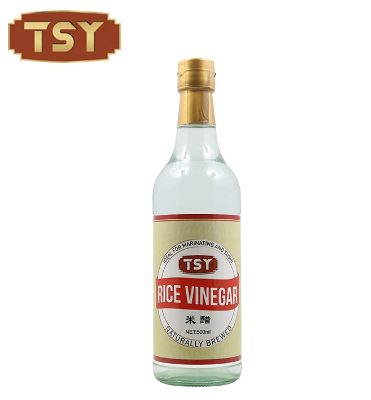
What Is Rice Vinegar?
Rice vinegar is a fermented condiment produced from rice or rice wine, characterized by a lower acidity level and a subtle, mellow sweetness compared to other vinegar types.
Rice vinegar is a cornerstone of East Asian cuisine, particularly in Japanese, Chinese, and Korean culinary traditions. Unlike Western vinegars that are typically distilled from grain alcohol, rice vinegar is created through the fermentation of sugars found in rice. This biological process converts rice starches into alcohol and subsequently into acetic acid, resulting in a product that is much softer on the palate.
The production process often involves specific strains of yeast and bacteria to ensure the delicate balance of flavor is maintained. Because it is less aggressive than distilled white vinegar, it is prized for its ability to enhance the natural flavors of ingredients without overpowering them. This makes it an ideal companion for raw vegetables, delicate seafood, and subtle dipping sauces where harsh acidity would be detrimental.
Furthermore, rice vinegar comes in several varieties, including clear, red, and black versions. Each variety is aged differently, leading to varying levels of complexity. The clear variety is the most common for light, everyday cooking, while the darker versions, often associated with Chinkiang vinegar, offer a deeper, maltier flavor profile suitable for hearty braises and complex dipping sauces.
4 Rice Vinegar Uses
Rice vinegar is primarily used to add a balanced, mild acidity to delicate dishes, sushi rice, vegetable pickles, and light salad dressings.
The most iconic application of rice vinegar is the seasoning of sushi rice. Without this specific ingredient, sushi rice would lack the necessary tang and slight sweetness that cuts through the richness of raw fish. It helps bind the rice grains together while providing a clean, refreshing finish that characterizes authentic Japanese sushi.
Beyond sushi, rice vinegar is essential for creating light, refreshing Asian-style pickles. Because it is not as caustic as white vinegar, it penetrates vegetables like cucumbers, carrots, and radishes quickly, preserving their crunch while infusing them with a gentle acidic brightness. It is the perfect choice for quick-pickled dishes served alongside fried appetizers.
Additionally, it is a key component in many stir-fry sauces and glazes. When combined with soy sauce, ginger, and garlic, it provides the "acid" element that balances the saltiness of the soy sauce and the natural sweetness of caramelized vegetables or meats. It prevents heavy sauces from feeling too flat or overly salty on the tongue.
Finally, rice vinegar is excellent in cold noodle salads and light dressings. It pairs beautifully with sesame oil, honey, and cilantro. Its mild nature ensures that the freshness of the herbs and vegetables remains the star of the dish, creating a balanced, palate-cleansing effect that is difficult to achieve with stronger, more pungent vinegars.
What Is White Vinegar?
White vinegar is a clear, distilled, and highly potent liquid derived from the fermentation of grain alcohol, known for its high acetic acid concentration and sharp, biting profile.
White vinegar is the workhorse of the culinary and cleaning world. Produced through the secondary fermentation of distilled alcohol, it typically contains between 5% and 10% acetic acid. This high concentration is what gives it its characteristic sharp, aggressive tang that can be felt at the back of the throat upon tasting.
Because it is "distilled," white vinegar is essentially a blank slate. It lacks the complex sugars, amino acids, or residual flavor profiles found in rice vinegar, balsamic vinegar, or apple cider vinegar. This neutrality is exactly why it is favored in commercial food manufacturing and home preservation; it provides the necessary acidity for safety and tartness without introducing unwanted flavors or colors to the final product.
Beyond the kitchen, its chemical makeup makes it an incredibly effective cleaning agent. It is a common misconception that all vinegars are created equal for household use; however, white vinegar is the standard for descaling coffee machines, cleaning windows, and removing mineral buildup from glassware due to its purity and acidic strength.
2 Ways to Use White Vinegar
White vinegar is best utilized in heavy-duty canning, pickling where a sharp bite is desired, and as a functional cleaning agent throughout the home.
When it comes to home canning and preserving, white vinegar is the professional standard. Its high and consistent acetic acid content ensures that the pH level of the jarred food drops rapidly, which is critical for safety and preventing the growth of harmful bacteria like Clostridium botulinum. For long-term shelf storage, the consistency provided by distilled white vinegar is non-negotiable.
In the culinary arts, it is often used for bold, acidic pickles where the flavor of the vinegar is intended to be a major component. For example, when making pickled onions or eggs, the sharp bite of white vinegar helps to "cure" the ingredient and provides a punchy contrast to fatty or rich foods. It stands up well to robust spices like peppercorns, mustard seeds, and chili flakes.
Outside of direct consumption, its utility is unmatched as a household cleaner. Its ability to neutralize odors and break down calcium deposits makes it an essential tool for maintaining kitchen equipment. From cleaning grease off stovetops to sanitizing cutting boards, white vinegar provides a cost-effective, chemical-free alternative to harsh industrial cleaners.
Rice Vinegar vs. White Vinegar: What’s the Difference?
The primary differences between rice vinegar and white vinegar lie in their source material, acidity level, flavor complexity, and typical culinary applications.
The fundamental difference starts with the fermentation process. Rice vinegar contains organic compounds that provide a depth of flavor, whereas white vinegar is stripped of these components during distillation. This results in the characteristic "softness" of rice vinegar, which rounds out flavors rather than piercing through them.
In terms of usage, one cannot easily swap these products in recipes that rely on specific chemical reactions or flavor profiles. Using white vinegar in sushi rice, for instance, would result in an unpleasantly harsh and acidic taste that lacks the signature sweetness of the dish. Conversely, using rice vinegar in a recipe requiring long-term, shelf-stable canning would be risky, as it may not have the required acidity to ensure food safety over extended periods.
Ultimately, the choice depends on the goal of your dish. If you are looking to enhance flavors, build a sauce, or create a delicate marinade, reach for rice vinegar. If you are looking to perform heavy-duty pickling, clean your kitchen equipment, or introduce a aggressive, sharp acidic element, reach for white vinegar.
Can You Substitute Rice Vinegar for White Vinegar?
Substitution is generally not recommended because their distinct flavor profiles and acidity levels will fundamentally alter the texture and taste of your final dish.
If you are in a pinch and absolutely must substitute, you can use a diluted mixture of white vinegar with a touch of sugar to mimic the profile of rice vinegar. However, this is rarely as balanced as the genuine product. Because white vinegar is much more acidic, you would need to use less of it and compensate for the lack of "roundness" with extra sweeteners or even a drop of mirin.
When swapping in the other direction—using rice vinegar instead of white vinegar for pickling—you are likely to compromise the safety and shelf life of your preserves. The lower acidity of rice vinegar is not suitable for traditional water-bath canning methods intended for distilled white vinegar.
If you find yourself frequently using these ingredients, it is best to stock both in your pantry. Professional kitchens prioritize having the right tool for the job, and the chemical differences between these two vinegars are significant enough to warrant their own dedicated spaces in your seasoning rack.
Want to Learn More About Cooking?
Mastering the differences between common ingredients is the first step toward professional-level cooking and recipe development.
Understanding the chemistry of your ingredients—how acids interact with fats, proteins, and sugars—empowers you to move beyond following recipes blindly. Whether you are interested in the intricacies of fermentation, the science of pickling, or simply perfecting your home-cooked meals, continuous learning is essential.
If you would like to explore more about pantry staples, flavor balancing, or professional cooking techniques, we are here to help. Our resources are designed to guide both home enthusiasts and business owners through the nuances of high-quality ingredients. Feel free to contact us or browse our full range of professional cooking insights to further your culinary journey.