The global shift toward health conscious eating has placed traditional pantry staples under intense scrutiny, with peanut butter being a primary focus. As consumers become more aware of the hidden sugars in processed foods, the demand for natural peanut butter alternatives that offer high nutritional value without the metabolic drawbacks of refined sweeteners has skyrocketed. This evolution in the food industry is not just a trend but a fundamental change in how we evaluate the healthiest peanut butter options for long term wellness and disease prevention.
Sugar free peanut butter is a specialized nut spread made predominantly from roasted peanuts and salt, containing zero added cane sugar or high fructose corn syrup, which makes it an ideal source of plant based protein and healthy fats for diabetics and low carb enthusiasts. By choosing a natural peanut butter without additives, you ensure that the calorie density comes from heart healthy monounsaturated fats rather than inflammatory refined carbohydrates.
Understanding the nuances of label reading and the specific benefits of gluten free peanut butter is essential for anyone looking to optimize their diet. Beyond simple weight management, switching to a version of peanut butter that lacks sugar can have profound effects on insulin sensitivity and sustained energy levels. In this comprehensive guide, we will explore everything from blood sugar impacts to finding the healthiest peanut butter available on the market today.
Table of Contents
Is there peanut butter without sugar?
Which peanut butter is best without sugar?
Is sugar free peanut butter good for you?
Does peanut butter raise blood sugar?
What is the healthiest peanut butter option?
How much sugar is in sugar free peanut butter?
Some Concluding Thoughts
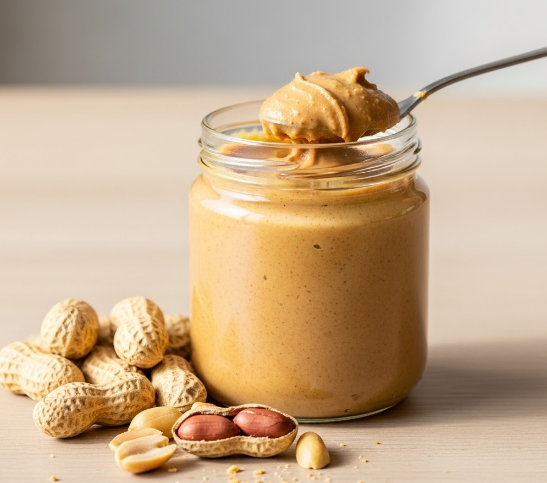
Is there peanut butter without sugar?
Yes, there are many varieties of peanut butter available that contain absolutely no added sugar, often labeled as natural peanut butter or unsweetened peanut butter, consisting purely of ground roasted peanuts and sometimes a pinch of salt.
The production of natural peanut butter differs significantly from traditional commercial brands. In standard processing, manufacturers often add sugar, molasses, or corn syrup to enhance flavor and shelf life. However, a growing segment of the industry focuses on providing peanut butter in its purest form. These products are easily identified by their ingredient lists, which should ideally feature only one or two items. For those who enjoy variety, you can even find chocolate peanut butter variants that use stevia or monk fruit instead of sugar to maintain a healthy profile.
From a B2B and retail perspective, the availability of gluten free peanut butter without sugar has become a requirement for health food stores. These products cater to the Paleo and Keto demographics who prioritize the high fat and protein content of the nut over the sweetness of the spread. When searching for this type of peanut butter, looking for "No Added Sugar" on the front of the packaging is the first step, but verifying the nutrition facts panel is the only way to ensure total compliance with sugar free standards.
Furthermore, the texture of peanut butter without sugar is often different. Because it lacks the stabilizers and emulsifiers usually paired with sweeteners, natural peanut butter will often exhibit oil separation. This is a positive indicator of a clean product. The peanut oil naturally rises to the top, and a simple stir returns the peanut butter to a creamy or crunchy consistency. This characteristic is a hallmark of the healthiest peanut butter options, signaling that the product is free from hydrogenated oils and fillers.
Which peanut butter is best without sugar?
The best peanut butter without sugar is a natural peanut butter made from high quality roasted peanuts that has undergone minimal processing and contains no hydrogenated oils or artificial preservatives.
When determining the "best" version, consumers should prioritize natural peanut butter that uses a dry roast method. This process enhances the flavor of the peanuts without the need for additional vegetable oils. For many, a gluten free peanut butter that is also non GMO represents the gold standard. The flavor of unsweetened peanut butter is deeply nutty and savory, which makes it more versatile for both sweet and savory cooking applications compared to the overly sweet commercial versions.
Another contender for the best category is chocolate peanut butter that is specifically formulated without sugar. This allows for a decadent experience while remaining within the parameters of a healthy diet. The healthiest peanut butter in the chocolate category will use raw cacao powder and natural sugar substitutes. This combination provides the antioxidant benefits of cocoa alongside the muscle building proteins of the peanut butter, making it a favorite for athletes and fitness professionals.
Comparison Table: Unsweetened vs. Commercial Peanut Butter
| Feature | Natural Peanut Butter (Sugar Free) | Commercial Peanut Butter |
| Main Ingredient | Roasted Peanuts | Peanuts and Sugar |
| Fats | Monounsaturated (Healthy) | Often Hydrogenated (Trans Fats) |
| Sugar Content | 0g Added | 3g to 10g per serving |
| Additives | Salt (Optional) | Emulsifiers, Syrups, Oils |
| Recommended For | Keto, Diabetic, Paleo | General Consumer |
The choice often comes down to texture preference. Some people prefer the gritty, rustic feel of stone ground natural peanut butter, while others look for the ultra smooth finish of high speed milled products. Regardless of the texture, ensuring the product is a gluten free peanut butter ensures that it is safe for those with Celiac disease or gluten sensitivities, which often co occur with sugar sensitivities.
Is sugar-free peanut butter good for you?
Sugar free peanut butter is exceptionally good for you because it provides a dense source of heart healthy fats, plant protein, and essential micronutrients like Vitamin E and Magnesium without the inflammatory risks associated with added sugars.
The nutritional profile of natural peanut butter is impressive. It is a rich source of p-coumaric acid, which helps in reducing oxidative stress in the body. By removing sugar, the healthiest peanut butter allows these nutrients to work more effectively without being countered by the insulin spikes caused by sucrose. For weight management, peanut butter without sugar is a powerful tool; the combination of fiber and protein promotes satiety, helping individuals feel full for longer and reducing the urge to snack on high calorie processed foods.
Moreover, the absence of sugar in peanut butter makes it an anti inflammatory food. Chronic inflammation is often linked to high sugar intake, and substituting standard spreads with natural peanut butter can help manage this. Even for those who crave a treat, a sugar free chocolate peanut butter can provide the magnesium found in chocolate which supports heart health and mood regulation. This makes peanut butter a functional food that supports both physical and mental well being.
In a B2B context, promoting gluten free peanut butter that is sugar free is a major selling point for the wellness industry. It appeals to the growing "clean label" movement where consumers demand transparency. The healthiest peanut butter options are those that support a balanced microbiome, as sugar can often feed harmful gut bacteria. By sticking to natural peanut butter, consumers are supporting their digestive health and ensuring their body receives stable energy throughout the day.
Does peanut butter raise blood sugar?
Pure peanut butter has a very low glycemic index and does not significantly raise blood sugar levels, making it one of the safest and most recommended snacks for individuals with Type 2 diabetes or insulin resistance.
The low glycemic response of natural peanut butter is due to its high fat and protein content paired with very low carbohydrate levels. When you consume peanut butter, the fats slow down the digestion of any carbohydrates eaten alongside it. This is why a slice of whole grain bread with gluten free peanut butter results in a much lower blood sugar spike than a slice of bread eaten alone. For diabetics, the healthiest peanut butter acts as a stabilizer, preventing the dangerous highs and lows associated with sugar laden snacks.
However, this benefit only applies to natural peanut butter. If a consumer chooses a brand with added sugar or honey, the glycemic index increases, and the blood sugar stabilizing effect is lost. Even chocolate peanut butter can be part of a diabetic diet if it is formulated with sugar alcohols or natural non caloric sweeteners. The key is the ratio of protein and fat to sugar. In its sugar free form, peanut butter actually improves insulin sensitivity over time due to the presence of magnesium.
Glycemic Load Analysis
Natural Peanut Butter: GI approx 14 (Very Low)
Sugar Sweetened Peanut Butter: GI approx 25 to 30 (Low to Medium)
Fruit Jam: GI approx 55 to 65 (Medium to High)
From a clinical perspective, incorporating natural peanut butter into meals is a standard recommendation for glucose control. The healthiest peanut butter provides a steady stream of amino acids and fatty acids to the bloodstream. This metabolic stability is crucial for maintaining cognitive function and preventing the "brain fog" that often follows high sugar meals. Therefore, peanut butter is not just a food but a metabolic tool for health.
What is the healthiest peanut butter option?
The healthiest peanut butter option is organic natural peanut butter that contains only one ingredient: peanuts, which ensures the highest concentration of antioxidants and the absence of pesticide residues or harmful additives.
When searching for the healthiest peanut butter, the "one ingredient" rule is paramount. Organic natural peanut butter ensures that the peanuts were grown without synthetic pesticides, which can sometimes accumulate in the fatty tissues of the nut. For those looking for specific health goals, gluten free peanut butter that is also salt free is ideal for managing hypertension. The nutritional density of such a product is unmatched, providing high levels of potassium which helps balance sodium levels in the body.
For variety, some consider sprouted peanut butter to be a top tier choice, as sprouting can increase the bioavailability of certain minerals. However, for most consumers, a high quality natural peanut butter that is roasted at low temperatures to preserve the heat sensitive oils is the best daily choice. If you prefer a flavored profile, the healthiest peanut butter in the flavored category would be a sugar free chocolate peanut butter using organic cacao, as this adds flavanols to the existing nutrient profile of the peanuts.
Check the Ingredients: Only peanuts (and maybe salt).
Verify Certifications: Look for Organic and gluten free peanut butter labels.
Oil Source: Ensure no palm oil or vegetable oils are added.
Sugar Status: Confirm 0g of "Added Sugars" on the label.
In the competitive B2B landscape, the healthiest peanut butter brands are those that prioritize sourcing. Peanuts sourced from regions with strict aflatoxin testing are preferred for safety and quality. Whether it is a creamy natural peanut butter for a smoothie or a crunchy version for a snack, the purity of the ingredient list determines the overall health impact.
How much sugar is in sugar-free peanut butter?
True sugar free peanut butter contains 0 grams of added sugar, though it may contain approximately 1 to 2 grams of naturally occurring sugars per serving that are inherent to the peanuts themselves.
It is a common misconception that "sugar free" means zero carbohydrates. Peanuts, being legumes, naturally contain a small amount of complex carbohydrates and natural sugars. However, in natural peanut butter, these are negligible and do not impact the body like added sucrose does. When reviewing the label of a healthiest peanut butter, you will see "Total Sugars: 1g" and "Added Sugars: 0g." The latter is the most important metric for health, as it indicates the manufacturer has not supplemented the peanut butter with extra sweeteners.
In products like chocolate peanut butter, the sugar content can vary wildly. A sugar free version will use erythritol or stevia to keep the "Added Sugars" at zero, while maintaining the sweet profile consumers love. For those on a strict ketogenic diet, even the 1 or 2 grams of natural sugar in natural peanut butter are accounted for within their daily macros, but because of the high fiber content, the "net carbs" remain extremely low.
Understanding the difference between "Unsweetened" and "No Sugar Added" is also vital. Unsweetened peanut butter usually means no sugar or sugar substitutes were used, resulting in a savory product. "No Sugar Added" might still contain natural sweeteners like fruit juice concentrates, which can still raise blood sugar. Therefore, the healthiest peanut butter is typically the one labeled as unsweetened natural peanut butter. This ensures a gluten free peanut butter experience that is as close to nature as possible.
Some Concluding Thoughts
Navigating the world of nut spreads reveals that peanut butter is far more than just a sandwich filler; it is a nutritional powerhouse when chosen correctly. The transition to natural peanut butter without added sugar is one of the simplest yet most impactful dietary changes a person can make. By prioritizing the healthiest peanut butter options, consumers can enjoy the rich, creamy texture and high protein benefits of this legume without the negative metabolic consequences of hidden sweeteners.
Whether you are looking for gluten free peanut butter for dietary safety or a sugar free chocolate peanut butter to satisfy a craving, the key remains ingredient purity. The modern food market is increasingly providing high quality, one ingredient peanut butter that honors the natural profile of the peanut. As we continue to prioritize longevity and wellness, the role of sugar free natural peanut butter as a dietary anchor will only continue to grow, proving that the simplest foods are often the best for our health.
Frequently Asked Questions
Does sugar free peanut butter taste different?
Yes, natural peanut butter that is sugar free has a more robust, salty, and earthy flavor compared to the sweet, candy like taste of commercial brands. Many people find that after a week of eating the healthiest peanut butter options, regular sweetened versions taste artificially sweet and less satisfying.
Is sugar free peanut butter good for weight loss?
Absolutely. Because natural peanut butter is high in protein and healthy fats, it helps control appetite. The lack of sugar prevents insulin spikes that lead to fat storage. However, since peanut butter is calorie dense, portion control is still necessary even with sugar free versions.
Can I give sugar free peanut butter to my dog?
Generally, yes, but you must be extremely careful. While natural peanut butter is a common treat for dogs, some "sugar free" versions use Xylitol as a sweetener. Xylitol is highly toxic to dogs. Always ensure your peanut butter contains only peanuts and no artificial sweeteners before sharing it with pets.
Why is my sugar free peanut butter so runny?
Runny consistency in natural peanut butter is normal and indicates a lack of solid hydrogenated fats. The natural oils in peanut butter are liquid at room temperature. For a thicker consistency, you can store your gluten free peanut butter in the refrigerator after stirring it.
Is chocolate peanut butter always high in sugar?
Not necessarily. While many commercial brands of chocolate peanut butter are high in sugar, health focused brands create sugar free versions using stevia or cocoa nibs. These provide the flavor profile of a treat with the nutritional benefits of the healthiest peanut butter.