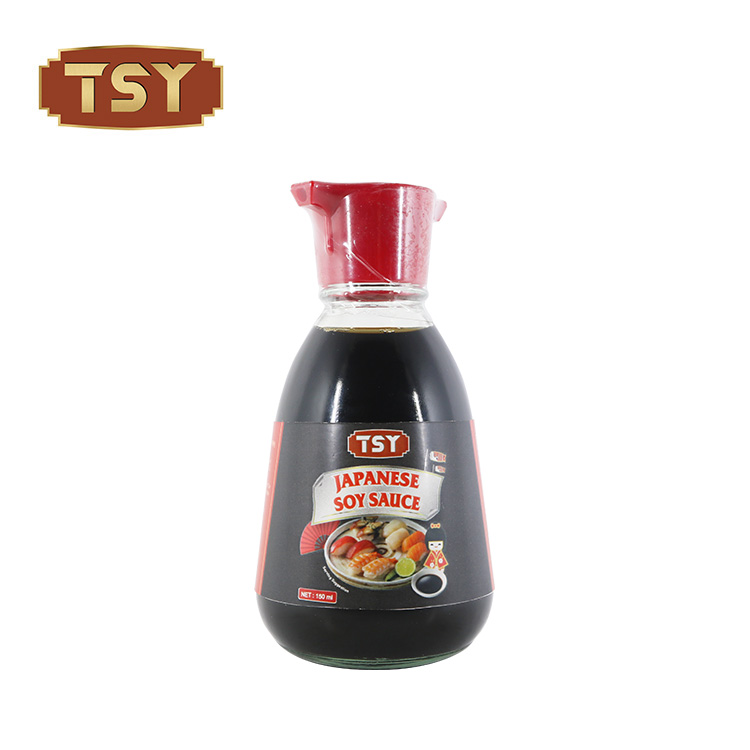
For many people around the world, soy sauce is simply that dark, salty liquid served alongside sushi or used to season a quick stir-fry. But in Japan, this humble condiment—known as shoyu—is a cornerstone of the culinary world. It is a sophisticated, fermented seasoning with a history spanning centuries and a versatility that extends far beyond a simple dipping sauce. Japanese soy sauce is not a single, monolithic product; it is a diverse family of sauces, each with a distinct flavor profile and a specific culinary role. This guide explores the expansive world of Japanese soy sauce, detailing its history, its primary types, and the myriad ways it is used to enhance, preserve, and transform food.
A Brief History of Shoyu
The story of soy sauce begins not in Japan, but in China, where it was invented between the 3rd and 5th centuries AD. Early versions were made by fermenting various meats and fish with salt, but soybeans were eventually added and became the primary ingredient . This fermentation technique was introduced to Japan in the 7th century by Buddhist monks . Over the centuries, the Japanese adapted the recipe, eventually settling on a blend of soybeans and wheat, a combination that has come to define the distinctive flavor of Japanese shoyu. The brewing method was refined and diversified across different regions, giving rise to the five main types of soy sauce that are officially recognized by Japanese Agricultural Standards (JAS) .
The Five Main Types of Japanese Soy Sauce
Understanding the different types of soy sauce is crucial to using them effectively in the kitchen. They are not all interchangeable. The five primary types are koikuchi, usukuchi, tamari, shiro, and saishikomi.
1. Koikuchi Shoyu (Dark Soy Sauce)
This is the quintessential Japanese soy sauce. It is the standard, all-purpose variety that accounts for over 80% of domestic production in Japan . Koikuchi is made from roughly equal parts of soybeans and wheat, resulting in a dark brown color and a well-balanced flavor that combines saltiness, deep umami, a rounded sweetness, and a refreshing acidity . It is the most recognizable type of soy sauce worldwide and is the "default" variety used in most recipes . Its versatility makes it suitable for a wide range of applications, from cooking to table use.
2. Usukuchi Shoyu (Light Soy Sauce)
Contrary to its name, usukuchi shoyu is not low-sodium. It is, in fact, saltier than its dark counterpart . Originating in the Kansai region of western Japan, it is lighter in color and has a milder fragrance . This lighter hue is its primary characteristic; it is specifically designed to season dishes without darkening them, preserving the natural color and appearance of the ingredients . It is the preferred soy sauce for delicate dishes like light-colored soups, clear broths, and simmered vegetables where a dark sauce would be visually unappealing.
3. Tamari Shoyu
Tamari is often considered the most traditional form of soy sauce, as it most closely resembles the original sauce that came from China . It is unique because it is made with little to no wheat, making it a popular gluten-free alternative (though it is always best to check the label to be sure) . Because it is made primarily from soybeans, tamari is thicker, darker, and boasts a more intense, dense umami flavor than koikuchi . Its rich profile makes it an excellent dipping sauce for sushi and sashimi, as well as a flavorful addition to marinades and glazes .
4. Shiro Shoyu (White Soy Sauce)
Shiro shoyu is made with a much higher proportion of wheat than soybeans, giving it a very light, pale amber color and a mild, sweet flavor . It is the most delicate of the soy sauces and is used specifically in dishes where the color of the food is paramount, such as clear soups, steamed egg custard (chawanmushi), and in sauces for delicate white fish . Its purpose is to add the flavor of soy sauce without leaving any visual trace.
5. Saishikomi Shoyu (Refermented or Double-Brewed Soy Sauce)
This is a premium soy sauce produced in a unique way. While standard soy sauces are made with a brine (saltwater) solution, saishikomi shoyu is made by using already-brewed soy sauce in place of the brine to ferment a new batch of ingredients . This double-brewing process creates an intensely flavorful, thick, and aromatic sauce with a rich fragrance and a hint of sweetness . Because of its concentrated flavor and premium status, it is typically reserved for use as a finishing sauce or dipping condiment for sushi, sashimi, or chilled tofu, where its complex taste can be fully appreciated .
Culinary Uses of Japanese Soy Sauce
The primary use of shoyu is to provide a savory, salty umami flavor. This is achieved in two main ways: as a table condiment and as a cooking ingredient.
As a Table Condiment
In its simplest form, soy sauce is used as a finishing touch or dipping sauce at the table. Small dishes of soy sauce accompany sushi and sashimi, enhancing the natural flavor of the fish . It is also drizzled over simple dishes like chilled tofu (hiyayakko) and fermented soybeans (natto) .
As a Cooking Ingredient
This is where the true versatility of shoyu shines. It is fundamental to a vast range of cooking techniques and dishes.
Soups and Broths: It is the defining flavor of shoyu ramen and is a key ingredient in the dipping broth (mentsuyu) for soba and udon noodles. It is used in nimono (simmered dishes) and is a key component of sukiyaki and shabu-shabu broths .
Simmered Dishes (Nimono): Soy sauce gives a rich color and deep flavor to simmered vegetables and meats. It is often combined with sake, mirin, and sugar to create a balanced sauce .
Marinades and Glazes: Shoyu forms the base for many popular sauces. It is mixed with mirin and sugar to make the iconic sticky-sweet glaze for teriyaki and yakitori . Its ability to pair with meat is so potent that the Maillard reaction between the amino acids in soy sauce and the fat in meat produces a uniquely tantalizing aroma .
As a Salt Substitute: A simple dash of soy sauce can replace table salt in a recipe. Because it is rich in glutamates, it adds umami along with saltiness, enhancing the overall flavor of everything from stews to gravies .
Surprising Uses: Preservation and Desserts
Beyond these standard applications, soy sauce has some less-known but equally important uses.
Preservation: Shoyu contains natural antimicrobial properties. It was historically used to help preserve seafood and vegetables, and it is still used today in marinades to help reduce or mask the raw smell of fish and meat .
In Sweets and Desserts: The savory, umami-rich profile of soy sauce is used to balance sweetness. Some Japanese confectioners use a small amount of soy sauce when making sweet red bean paste (anko) to bring out the sweetness and deepen the overall flavor . It has also found its way into modern Western desserts, where chefs add it to vanilla ice cream or caramel for a complex, salted-caramel-like flavor .
Conclusion
Japanese soy sauce, or shoyu, is a masterpiece of fermentation and a testament to the Japanese dedication to craft. It is far more than just a salty condiment; it is a nuanced and versatile ingredient that is used at every stage of cooking, from seasoning a simmering broth to providing the final elegant touch at the table. Whether you are using the all-purpose koikuchi for a teriyaki glaze, the light-colored usukuchi to preserve the clarity of a soup, or the rich tamari as a dip for sashimi, understanding the purpose of each type unlocks a new level of appreciation for this essential pillar of Japanese cuisine. The next time you reach for a bottle, you’ll know that you are holding a product of centuries of tradition and craftsmanship, ready to add its unique magic to your dish.