The global condiment market has seen a significant shift toward Southeast Asian flavors, with one particular sauce standing out for its versatility and crowd-pleasing profile. Sweet chilli sauce, a staple in Thai cuisine and now a must-have in international pantries, offers a unique balance of heat, acidity, and sweetness that enhances everything from appetizers to main courses. For B2B buyers, distributors, and food service providers, understanding the raw materials and production standards of this sauce is critical for sourcing high-quality products that meet consumer expectations for authenticity and consistency.
The main ingredients in sweet chilli sauce typically consist of red chili peppers, sugar, vinegar, garlic, and salt, often thickened with a starch agent like cornstarch or tapioca to achieve the signature syrupy consistency. While variations exist depending on regional preferences, these five pillars form the foundation of any high-quality sweet chilli sauce, providing the characteristic "sweet heat" that defines the category.
This comprehensive guide explores the intricate details of thai sweet chilli sauce production, the specific functions of each ingredient, and the manufacturing standards necessary for commercial success. We will delve into why certain chilies are preferred, the role of acidity in shelf-life, and how industrial formulations differ from homemade versions to ensure stability and flavor impact in bulk applications.
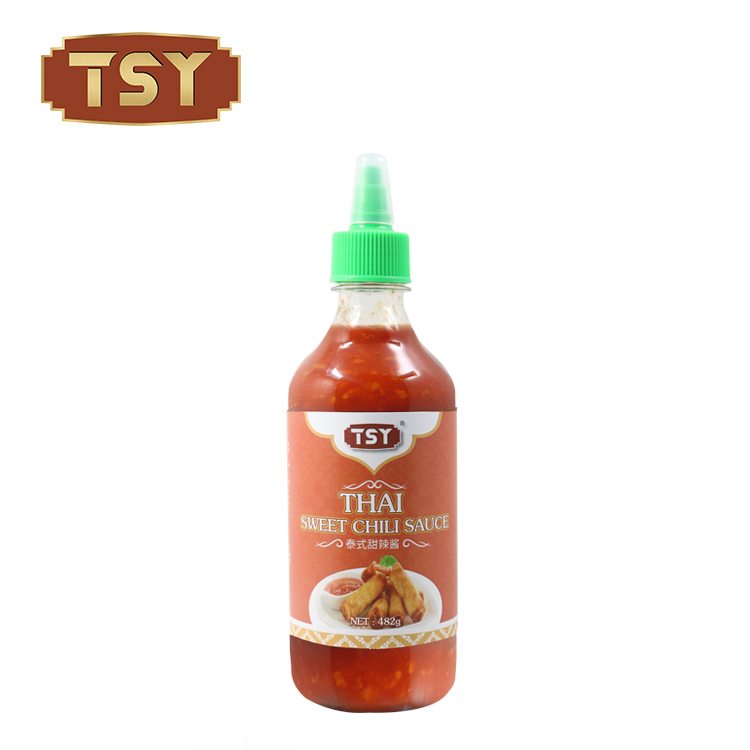
Table of Contents
Core Ingredients of Authentic Sweet Chilli Sauce
The Role of Chili Selection in Flavor Profiles
Balancing Sweetness and Acidity in Thai Chilli Sauce
Thickening Agents and Textural Stability
Preservatives and Natural Additives for B2B Supply
Application and Versatility in Modern Food Service
Quality Standards for Bulk Sweet Chilli Sauce Sourcing
Core Ingredients of Authentic Sweet Chilli Sauce
The fundamental composition of sweet chilli sauce involves a precise blend of red chili flakes or paste, cane sugar, distilled vinegar, fresh garlic, and sea salt. These ingredients are simmered together to create a harmonious glaze that is neither too spicy nor too cloying, making it an ideal dip for spring rolls, poultry, and seafood.
In professional food manufacturing, the quality of sweet chilli sauce is dictated by the ratio of these primary components. The sugar acts as more than just a sweetener; it provides the body and "cling" necessary for the sauce to adhere to fried foods. Meanwhile, the vinegar provides the brightness required to cut through fat, and the garlic offers an aromatic depth that prevents the sauce from tasting one-dimensional.
For bulk procurement, it is essential to look for formulations that prioritize real garlic and high-quality chili solids rather than artificial flavorings. A premium thai chilli sauce will often feature visible chili seeds and fragments, which serve as a visual indicator of authenticity and quality to the end consumer. The synergy between these basic ingredients determines the product's grade and its suitability for diverse culinary applications.
The Role of Chili Selection in Flavor Profiles
The heat levels and visual appeal of thai sweet chilli sauce are primarily determined by the variety and processing method of the red chili peppers used. Most commercial formulations utilize Bird's Eye chilies or similar red pepper varieties that offer a clean, sharp heat without overwhelming the palate with smoky or earthy undertones.
The processing of the chili is as important as the variety itself. In a high-quality sweet chilli sauce, the peppers are usually deseeded or partially deseeded to control the Scoville scale while maintaining a vibrant red color. If the chilies are too old or poorly processed, the sauce can take on a brownish hue, which is less appealing in a retail or food service setting.
Manufacturers often use a combination of fresh chili mash and dried chili flakes to achieve a multi-layered heat profile. This ensures that the thai sweet chilli sauce has an immediate "hit" of spice followed by a lingering warmth. The concentration of chili solids also affects the viscosity and mouthfeel, which are critical metrics for B2B quality control assessments.
Chili Component Analysis
| Chili Type | Heat Level (SHU) | Visual Contribution | Flavor Note |
| Bird's Eye | 50,000 - 100,000 | Bright Red | Sharp/Clean |
| Red Jalapeño | 2,500 - 8,000 | Deep Red | Sweet/Mild |
| Thai Long Chili | 30,000 - 50,000 | Vibrant | Floral/Spicy |
Balancing Sweetness and Acidity in Thai Chilli Sauce
Achieving the perfect equilibrium between high sugar content and acetic acid is the hallmark of a superior thai chilli sauce. The sugar provides the necessary viscosity and shelf stability through water activity reduction, while the vinegar acts as the primary preservative and flavor balancer.
The sweetness in a professional sweet chilli sauce typically comes from refined cane sugar or glucose syrup. In industrial applications, the choice of sweetener impacts the "sheen" of the sauce; a higher glucose content often results in a glossier finish, which is highly desirable for glazed meat applications. However, authentic Thai versions lean heavily on cane sugar for a cleaner sweetness that doesn't mask the delicate notes of the garlic and chili.
Acidity is usually introduced through distilled white vinegar or rice vinegar. The pH level of a commercial sweet chilli sauce must be carefully monitored, typically staying below 4.0 to ensure food safety and microbial stability. This acidity is what gives the sauce its "tang" and makes it an excellent accompaniment to salty or fried appetizers, balancing the richness of the food.
Thickening Agents and Textural Stability
To achieve the iconic syrupy texture that characterizes sweet chilli sauce, manufacturers utilize modified starches such as cornstarch, tapioca starch, or xanthan gum. These agents ensure that the chili flakes and garlic bits remain evenly suspended throughout the bottle rather than settling at the bottom.
The choice of thickener is vital for B2B buyers who need a product that remains stable under various temperatures. For instance, a thai sweet chilli sauce thickened with cornstarch might have excellent clarity but could lose its structure if frozen and thawed. In contrast, modified tapioca starches provide better freeze-thaw stability and a smoother texture that is preferred for industrial food processing.
Furthermore, the "cling" factor is a technical requirement for many food service providers. If a sweet chilli sauce is too thin, it will run off the product; if it is too thick, it becomes difficult to pour or pump. Professional grade sauces are engineered to have a specific centipoise (cP) value to ensure they work efficiently in high-volume kitchen environments.
Comparison of Thickening Agents
Cornstarch: Provides a classic translucent look and high gloss but may suffer from syneresis (water separation) over time.
Tapioca Starch: Offers superior clarity and a more "elastic" texture, very common in traditional Thai manufacturing.
Xanthan Gum: Used in small quantities to provide excellent suspension of solids and stability across a wide pH range.
Preservatives and Natural Additives for B2B Supply
While the high sugar and acid content of sweet chilli sauce provide natural preservation, commercial-grade products often include salt and specific stabilizers to extend shelf life for international shipping. Potassium sorbate or sodium benzoate may be used in trace amounts to prevent yeast and mold growth once the container is opened in a commercial kitchen.
In the modern B2B landscape, there is an increasing demand for "clean label" thai chilli sauce. This means minimizing artificial colors and preservatives. Instead of red dye, premium manufacturers rely on the natural pigment of the red chilies and sometimes paprika extract to maintain a consistent color across different batches.
Salt also plays a dual role in sweet chilli sauce. Beyond flavor enhancement, it works synergistically with the vinegar to inhibit bacterial growth. For bulk buyers, understanding the sodium content is important for nutritional labeling and for ensuring the sauce complements rather than overpowers the salt levels in the finished dish.
Application and Versatility in Modern Food Service
Sweet chilli sauce is no longer confined to Asian cuisine; it has become a "mother sauce" in modern fusion cooking, used as a marinade, a glazing agent, and a base for dressings. Its ability to provide sweetness, heat, and acidity in a single ingredient makes it highly cost-effective for high-volume kitchens.
Dipping Sauce: The most common use for thai sweet chilli sauce is as a standalone dip for spring rolls, shrimp tempura, and chicken wings.
Glazing Agent: When applied to grilled meats or salmon during the final stages of cooking, the sugar in the sauce caramelizes to create a flavorful crust.
Salad Dressings: By whisking sweet chilli sauce with lime juice and sesame oil, chefs can quickly create a complex Thai-inspired vinaigrette.
Sandwich Spread: Mixing the sauce with mayonnaise creates a "sweet chili aioli" that is popular in contemporary burger and sandwich shops.
The broad appeal of thai chilli sauce makes it a low-risk inventory item for distributors. Its long shelf life and multipurpose nature ensure a high turnover rate in both retail and wholesale sectors.
Quality Standards for Bulk Sweet Chilli Sauce Sourcing
When sourcing sweet chilli sauce at a B2B level, buyers must evaluate technical specifications including Brix levels, pH balance, and the percentage of chili solids. These metrics ensure that every shipment provides the same flavor profile and performance in the kitchen, which is vital for maintaining brand reputation.
A high Brix level (typically between 40% and 60%) indicates a high concentration of dissolved solids, primarily sugar, which translates to a richer, thicker sweet chilli sauce. The pH should be consistently acidic to ensure safety, and the "particle distribution"—the size and amount of chili and garlic bits—should be uniform.
Furthermore, certifications such as HACCP, ISO, and Halal are non-negotiable for international trade. These certifications guarantee that the thai sweet chilli sauce was produced in a facility that meets rigorous hygiene and safety standards. For businesses looking to compete in the global market, partnering with a manufacturer that provides detailed Certificates of Analysis (CoA) for every batch is the best way to ensure product integrity.
Technical Specification Checklist
Brix Value: 45% - 55% for optimal sweetness and body.
pH Level: 3.5 - 3.9 for shelf stability.
Viscosity: Consistent flow rate for pump dispensers.
Appearance: Translucent red with visible chili seeds and garlic.
In conclusion, the success of a professional sweet chilli sauce lies in the quality of its core components: red chilies, sugar, vinegar, and garlic. By balancing these ingredients through precise manufacturing processes and stabilization techniques, producers create a product that is essential for modern gastronomy. For B2B stakeholders, focusing on ingredient purity, textural stability, and technical specifications is the key to sourcing a thai sweet chilli sauce that meets the high standards of today’s diverse food industry.