How to Choose Chili Sauce?
For a condiment that sparks such passion, choosing a chili sauce is often a haphazard affair—a quick grab at the grocery store based on a familiar logo or a vague sense of "heat." Yet, the world of chili sauce is a vast, nuanced culinary landscape, as diverse as wine or cheese. Moving beyond Scoville units (the measure of heat) alone reveals a universe of flavor, culture, and craftsmanship. This guide will equip you to navigate this world with confidence, transforming your selection from an afterthought to an intentional act of flavor pairing.
The Foundation: Understanding the Capsicum Family
All chili sauces begin with the fruit of plants from the Capsicum genus. The variety of pepper used is the single most important determinant of a sauce's character.
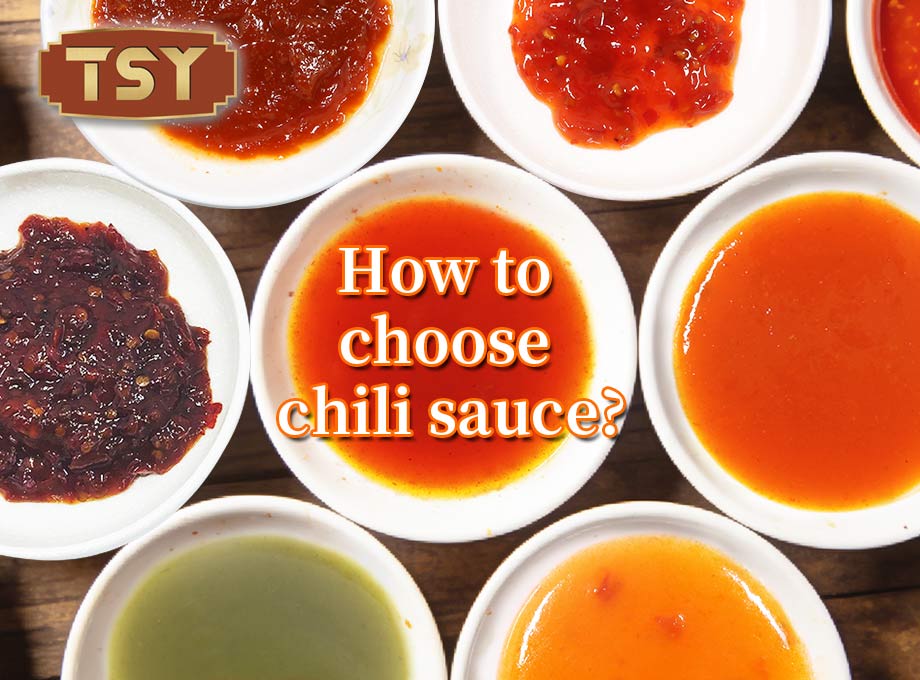
Decoding the Sauce Universe: A Taxonomy of Styles
Chili sauces can be categorized by their preparation method and cultural tradition, which define their texture and flavor profile.
1. The Vinegar-Based & Fermented Sauces:
Characteristics: Thin, pourable, sharp, and often bright. Vinegar acts as a preservative and flavor highlight.
Examples:
Louisiana-Style Hot Sauce (e.g., Tabasco, Crystal): Made from cayenne or tabasco peppers, aged in barrels, and blended with vinegar and salt. Tart, sharp, and direct in heat. Ideal for cutting through rich foods like gumbo, fried chicken, or eggs.
Green Hot Sauce: Typically made from jalapeños or serranos. Offers a brighter, more vegetal flavor than its red counterparts. Perfect for tacos, enchiladas verdes, and soups.
Fermented Asian Sauces (e.g., some Srirachas, Lao Gan Ma Chili Crisp): Chili flakes or pastes fermented with garlic, soybeans, or other ingredients. Offers deep umami, savory complexity, and crunchy texture (in the case of chili crisp).
2. The Paste & Purée Sauces:
Characteristics: Thick, textured, and complex. Often used as a cooking ingredient, not just a table condiment.
Examples:
Harissa (North African): A blend of smoked red peppers (like Baklouti), garlic, olive oil, and spices (caraway, coriander). Smoky, aromatic, and moderately hot. Used in tagines, as a marinade, or swirled into soups.
Gochujang (Korean): A fermented paste of chili powder, glutinous rice, soybeans, and salt. Sweet, savory, deeply umami, with a sticky consistency. The backbone of bibimbap, tteokbokki, and marinades.
Sambal Oelek (Southeast Asian): A simple, rough-ground paste of fresh chilies, vinegar, and salt. It’s raw, bright, and purely about chili flavor. A fundamental ingredient in Indonesian, Malaysian, and Singaporean cooking.
3. The Salsa & Fresh Sauces:
4. The Specialty & Infused Sauces:
Characteristics: Often innovative fusions or focused on unique ingredients.
Examples: Chili Crisp (chili flakes infused in oil with crunchy bits like fried garlic or peanuts), Fruit-Based Hot Sauces (mango-habanero, blueberry-ghost pepper), or Smoked Barbecue-Style Hot Sauces.
The Art of Selection: A Step-by-Step Guide
Choosing the right sauce is about matching its properties to your intended use.
Step 1: Interrogate the Label (The "Back of the Bottle" Test)
Ingredient List: The best sauces have a short, recognizable list. Chili peppers should be the first ingredient. Be wary of long lists with artificial colors, excessive preservatives, or thickeners like xanthan gum (used sparingly in some styles is fine, but it shouldn't be a primary ingredient).
Pepper Type: Is it specified? "Red peppers" is vague. "Aged red cayenne peppers" or "red jalapeños" indicates higher quality and predictability.
Sodium & Sugar: Compare brands. Some Louisiana-style sauces can be very high in sodium. Many fruit-based or Asian-style sauces have significant added sugar. Choose according to your dietary needs.
Step 2: Define Your Flavor & Heat Mission
Step 3: Consider the Culinary Application
Table Condiment: For finishing a dish, you want a balanced, flavorful sauce with a pleasing texture—Sriracha, a classic Louisiana hot sauce, or chili crisp.
Cooking Ingredient: For marinades, braises, or stir-fries, you need a robust, often thicker sauce that can meld with other flavors—gochujang, harissa, sambal oelek, or a chipotle purée.
Dipper or Drizzle: For wings or as a dressing, consider viscosity and cling. A thicker, stickier sauce like a buffalo variant or a sweet-chili sauce works best.
Step 4: Assess Quality & Craftsmanship
Fermentation: Fermented sauces often have superior, complex flavor profiles compared to simple vinegar-preserved ones.
"Aged" or "Barrel-Aged": Indicates a more developed, mellowed flavor, as in traditional Tabasco.
Origin & Authenticity: For a specific cuisine (e.g., Korean, Thai), seeking out a sauce made in its region of origin often yields more authentic results.
You don't need a fridge full of bottles. A well-curated collection of three to four sauces can cover most culinary needs:
A Versatile All-Pounder: A well-balanced, medium-heat sauce like a classic red Sriracha or a Louisiana-style cayenne sauce.
A Flavor Bomb: A thick, complex paste like gochujang or harissa for cooking and marinating.
A Textural Delight: A jar of chili crisp for adding crunch, oil, and savory heat to anything from eggs to ice cream.
A Fresh Counterpoint: A bottle of green hot sauce or the ingredients to quickly whip up a pico de gallo for bright, fresh applications.
Conclusion: Beyond Heat, Toward Flavor
Choosing a chili sauce is an exploration of personal taste and culinary intent. By looking past the fear or thrill of heat and focusing on the foundational elements—pepper variety, preparation style, and ingredient quality—you unlock a powerful tool for enhancing your food. The perfect chili sauce doesn't just add fire; it adds acidity, sweetness, umami, smoke, or crunch. It can transport your palate to a specific region of the world. So next time you stand before the condiment shelf, pause. Read the label, imagine the flavor, and choose with purpose. Your meals will be immeasurably richer for it.
If you are interested in wholesale of sauces and noodles, you can leave a comment below, send us a message through our website, or connect with us on social media. Please feel free to contact us TSY Food for a good price.