Is Oyster Sauce Fish or Mushroom?
If you are new to Asian cooking, you have probably picked up a bottle of dark, thick sauce and wondered: What actually is this stuff?
The name "oyster sauce" sounds like it should come from the sea. But because many vegetarian oyster sauces are made from mushrooms, confusion is everywhere.
Let’s clear this up once and for all.
The short answer: Traditional oyster sauce is made from oysters (which are shellfish, not fish). However, there is also a very popular mushroom-based version for vegetarians and vegans.
So technically, oyster sauce can be either — depending on which bottle you buy.
In this guide, we will explain exactly what goes into authentic oyster sauce, why mushrooms are involved at all, and how to choose the right one for your cooking.
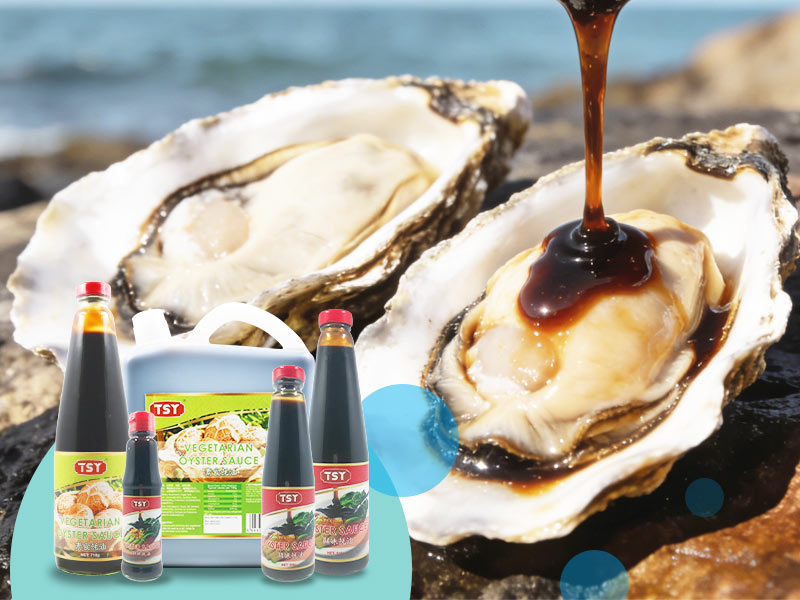
Despite the name, oyster sauce contains no fish. It is made from oysters.
Here is how it is made:
Fresh oysters are simmered in water for hours.
The liquid reduces into a rich, brown concentrate.
That concentrate is mixed with salt, sugar, and sometimes caramel color or cornstarch to create the thick, savory sauce you see on store shelves.
The result is a sauce that is sweet, salty, and packed with umami — that deep, savory flavor that makes food taste rich and satisfying.
Does It Taste Like Oysters?
No. And that surprises most people.
Authentic oyster sauce does not taste fishy or briny like raw oysters. Instead, it has a mellow, slightly sweet, and very savory flavor. Think of it as the "secret ingredient" that makes stir-fries, noodles, and braised meats taste more complex without screaming "seafood."
What About Mushroom Oyster Sauce?
Here is where the confusion starts.
Because real oysters are shellfish, traditional oyster sauce is not vegetarian. To solve this problem, companies created a plant-based alternative using mushrooms — specifically shiitake or oyster mushrooms.
Mushrooms are naturally rich in glutamates, the compounds that create umami. When cooked down, mushroom extract tastes surprisingly similar to oyster extract.
So mushroom oyster sauce is:
100% plant-based (vegan friendly)
Made from mushroom extract, soy sauce, sugar, and seasonings
Designed to mimic the flavor and texture of traditional oyster sauce
Why Is It Still Called "Oyster Sauce"?
Marketing and familiarity.
The name "oyster sauce" tells shoppers: This is a thick, dark, umami-rich sauce for Asian cooking. Even if it contains no oysters, the name helps people understand how to use it. Many brands will clearly label it "Vegetarian Oyster Sauce" or "Mushroom Oyster Sauce" to avoid confusion.
Side by Side: Oyster Sauce vs. Mushroom Oyster Sauce
| Feature | Traditional Oyster Sauce | Mushroom Oyster Sauce |
| Main Ingredient | Oysters (shellfish) | Mushrooms (usually shiitake) |
| Suitable For | Omnivores | Vegetarians & Vegans |
| Flavor | Sweet, salty, deep umami, slightly caramel-like | Similar umami, often slightly earthier |
| Texture | Thick, glossy, syrupy | Thick, glossy, syrupy |
| Allergens | Shellfish | None (soy/wheat may apply) |
| Best Used In | Beef stir-fries, broccoli beef, lo mein, braised pork | Same dishes, plus tofu & vegetable stir-fries |
Which One Should You Buy?
The answer depends entirely on your diet and cooking needs.
Buy Traditional Oyster Sauce if:
You are not vegetarian or vegan
You want the most authentic flavor for classic Chinese dishes like Beef with Broccoli or Oyster Sauce Chicken
You have no shellfish allergies
Popular brands: Lee Kum Kee, Healthy Boy (Thai brand)
Buy Mushroom Oyster Sauce if:
You are vegetarian or vegan
You are cooking for someone with a shellfish allergy
You simply prefer a plant-based option (many cooks find the flavor almost identical)
Popular brands: Lee Kum Kee Vegetarian Oyster Sauce, Kikkoman, Wan Ja Shan
Can You Taste the Difference?
In most cooked dishes, no.
Once you stir mushroom oyster sauce into a hot wok with garlic, ginger, and vegetables, the earthy notes from the mushrooms blend right in. Most home cooks — and even some chefs — cannot tell the difference in a finished stir-fry.
However, if you taste them side by side raw:
Traditional oyster sauce has a slightly sweeter, more caramel-like finish
Mushroom oyster sauce has a faint earthy or woody undertone
But in a hot dish? The difference is tiny.
Cooking Tips: How to Use Oyster Sauce (Either Kind)
Oyster sauce is incredibly forgiving and versatile. Here are three easy ways to use it:
Stir-fries: Add 1–2 tablespoons near the end of cooking. It coats vegetables and meat beautifully.
Marinades: Mix oyster sauce with soy sauce, garlic, and a little sugar. Marinate beef or chicken for 20 minutes before stir-frying.
Noodle sauces: Combine oyster sauce, dark soy sauce, and sesame oil for a quick lo mein or chow mein sauce.
Pro Tip: Do not use too much. Oyster sauce is salty. Start with a small amount and taste as you go.
Featured Products on Our Site
Ready to stock your pantry? We carry both options so you can choose what fits your kitchen.
Premium Traditional Oyster Sauce (18oz bottle): Made with real oysters slow-cooked into a rich, sweet-savory glaze. Perfect for beef stir-fries and braised mushrooms.
Vegetarian Mushroom Oyster Sauce (vegan): 100% plant-based. Made from shiitake mushrooms. Same umami, zero shellfish. Ideal for tofu, vegetables, and vegan noodles.
Stir-Fry Sauce Bundle: Get both traditional and mushroom oyster sauces together, plus our signature soy sauce. Save 15% when you buy the set.
The Bottom Line
Is oyster sauce fish or mushroom?
Both are delicious. Both bring incredible umami to your stir-fries, noodles, and marinades. The only wrong choice is buying one that does not fit your diet.
Now that you know the difference, you can cook with confidence. Browse our oyster sauce collection below and find your new kitchen staple.