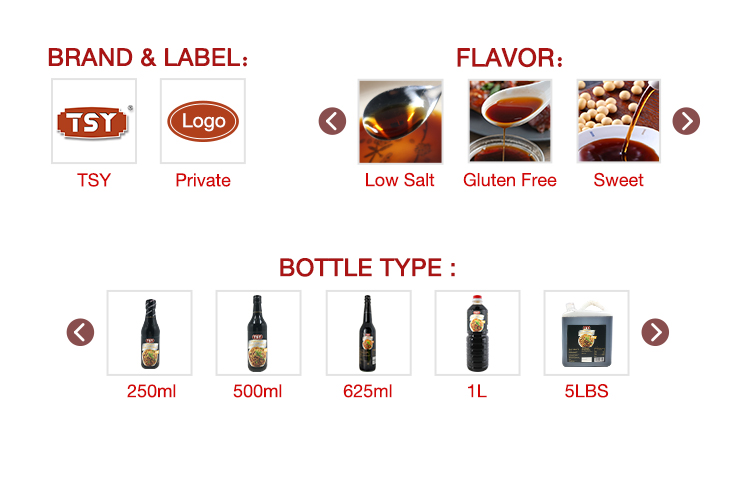
TSY or Custom Brands
| Availability: | |
|---|---|
| Quantity: | |
| Flavor | It is mainly salty, with a unique sauce aroma and delicious taste |
| Ingredient | Water, Soya Bean, Salt,Sugar, Monosodium Glutamate(E621) ,Potassium Sorbate(E202) |
| Serving Suggestion | Harmonious and a light, yet long lasting taste. It is specially nice as a table condiment and suitable for sushi, sashimi, miso soup, udon and other Japanese cuisine, also suitable for western style and Chinese cuisine. |
| Nutrition information typical values per 100g | Energy 53kJ/13Kcal Protein 0.8g Total fat 0g Carbohydrate 1.5g Sodium 5950mg |
| Shelf Life | 24 months |
| STORAGE: | Keep at room temperature and moisture proof storage. Please closed After opening use,and store in dry cool place. |
| Certificate | HACCP, BRC, IFS, HALAL, KOSHER, ISO |
Gluten-free soy sauce is a wheat-free version of traditional soy sauce, made primarily from soybeans (and sometimes rice or other grains). It’s essential for those with celiac disease, gluten intolerance, or wheat allergies.
TSY Food gluten-free soy sauce is packed with all the savory umami flavor you love, without any gluten added. Whether you're whipping up a stir-fry, marinating your favorite protein, or simply drizzling over sushi, our soy sauce will elevate your dishes to the next level.
Not only is our gluten-free soy sauce delicious, but it's also versatile and easy to use. With a rich, deep flavor profile and a perfectly balanced saltiness, this soy sauce is sure to become a staple in your pantry. Plus, it's free from artificial colors, flavors, and preservatives, so you can feel good about what you're putting into your body.
Don't let dietary restrictions hold you back from enjoying your favorite dishes - try TSY Food Gluten Free Soy Sauce today and experience the difference for yourself. Upgrade your meals with the bold, authentic flavor of soy sauce, minus the gluten.
100% Soy-Based – No wheat (unlike regular soy sauce).
Same Umami Flavor – Fermented for rich, savory taste.
Versatile – Works in all recipes calling for soy sauce.
Tamari (Japan) – Thicker, richer, and usually gluten-free (check labels).
Coconut Aminos (Southeast Asia) – Sweeter, made from coconut sap.
Liquid Aminos (USA) – Non-fermented, soy-based alternative.
TSY Foods provide different products quality needs, and we can customize products according to customer requirements.


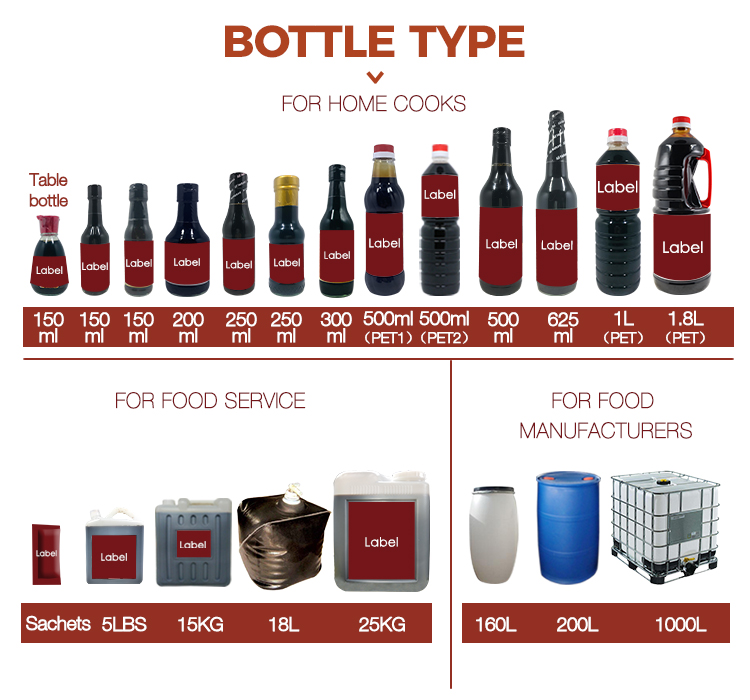
SPECIFIATION PER CTN | BOTTLE TYPE | CTNS/20'GP |
150ml*12btls/box*4boxes | Glass bottle | 1010 |
150ml*24btls | Table bottle | 1855 |
200ml*24btls | Glass bottle | 1550 |
250ml*24btls | Glass bottle | 1550 |
300ml*12btls | Glass bottle | 1550 |
500ml*12btls | Glass bottle | 1550 |
625ml*12btls | Glass bottle | 1330 |
1000ml*12btls | Plastic bottle | 1224 |
1.86L*6jar | Plastic jar | 1400 |
5L*4jar | Plastic jar | 756 |
8L*2jar | Plastic jar | 1150 |
18L*1bag/box | Faucet soft bags | 1008 |
15kg*2drum | Plastic drum | 700 |
25kg*1drum | Plastic drum | 800 |
160L*1drum | Plastic drum | 100 |
200L*1drum | Plastic drum | 80 |
1000L*1drum | Plastic drum | 20 |
* If you have other needs, please consult us.

Gluten-free soy sauce typically contains the following nutrients:
1. Sodium: Soy sauce is relatively high in sodium, which adds flavor to dishes but should be consumed in moderation, especially for individuals with hypertension or other health concerns.
2. Protein: Soy sauce contains a small amount of protein, although it's not a significant source.
3. Iron: Some soy sauces contain trace amounts of iron, contributing to overall nutrient intake.
4. Potassium: There might be a small amount of potassium in soy sauce, but it's not a major source of this nutrient.
5. Soybean Components: Traditional soy sauce contains compounds found in soybeans, including antioxidants and some vitamins.
Remember that the nutrient content can vary based on the brand and specific formulation of the soy sauce. Always check the product label for accurate nutritional information.
Gluten-free soy sauce can be a fantastic ingredient for enhancing the flavor of your stir-fry dishes while keeping them gluten-free. Here are some uses for gluten-free soy sauce in stir-fry cooking:
1. Marinade: Use gluten-free soy sauce as a base for marinating your protein (such as chicken, beef, or tofu) before stir-frying. Combine the soy sauce with minced garlic, ginger, a touch of honey, and perhaps some sesame oil for extra flavor.
2. Stir-Fry Sauce: Create a stir-fry sauce by mixing gluten-free soy sauce with other ingredients like rice vinegar, sesame oil, a bit of sugar or honey, and some cornstarch to thicken the sauce. Add this mixture to your stir-fry near the end of cooking to coat the ingredients.
3. Flavor Enhancer: As you're stir-frying your vegetables and protein, add a splash of gluten-free soy sauce to infuse a savory umami flavor into the dish.
4. Finishing Touch: Drizzle a small amount of gluten-free soy sauce over the stir-fried dish just before serving to provide a final burst of flavor.
5. Noodle Stir-Fries: If you're making stir-fried noodles, such as pad thai, gluten-free soy sauce can be a key component in the sauce, adding depth and complexity to the dish.
Remember that gluten-free soy sauce is often saltier than regular soy sauce, so be mindful of the salt levels in your dish. You can adjust the amount of soy sauce to your taste preferences and dietary needs.
Q: How long is the shelf life of TSY soy sauce?
A: The shelf life of unopened TSY soy sauce is generally 24 months. For the exact date, please refer to the product bottle. After opening, it is recommended to use it up within 3 months to achieve the best flavor.
Q: Why is your soy sauce more expensive than some common brands?
A: The value of TSY lies in its core quality. We insist
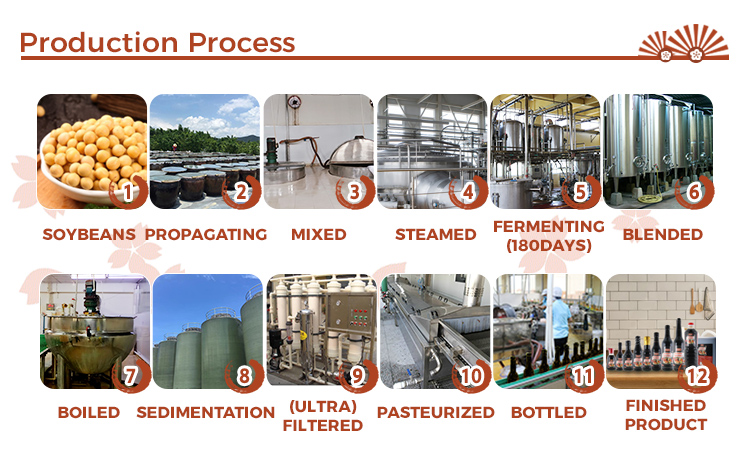
Full-term fermentation: It follows the long cycle of traditional brewing rather than rapid chemical hydrolysis.
High-quality raw materials: Carefully selected non-GMO beans, wheat and non-iodized salt.
Process cost: Higher costs are invested to ensure pure flavor and natural health. Every drop you taste is the pure flavor brought by time and craftsmanship.
Q: Is low-salt soy sauce really healthier? Will the taste become milder if the saltiness is reduced?
A: TSY low-salt soy sauce, through advanced technology, reduces sodium content while striving to retain the original umami flavor of soy sauce. It is an excellent choice for people who care about a healthy diet, such as those with a low-sodium need. Although the saltiness has decreased, the umami flavor remains prominent, making it very suitable for cold dishes and dipping.
Q: Can pregnant women/children consume TSY soy sauce?
A: Our soy sauce is made from natural ingredients and pregnant women can consume it in moderation. For children, it is recommended to choose our low-salt series and pay attention to controlling the intake to cultivate their habit of light taste. Before adding any seasonings, please consult a doctor for professional advice.
Q: Can soy sauce be used as a substitute for salt?
A: Yes, but it's not exactly the same. Soy sauce, in addition to its saltiness, also offers umami, sweetness and the aroma of soy sauce, which can add more layers to the flavor of dishes. When in use, the amount of salt or other sodium-containing seasonings should be reduced accordingly.